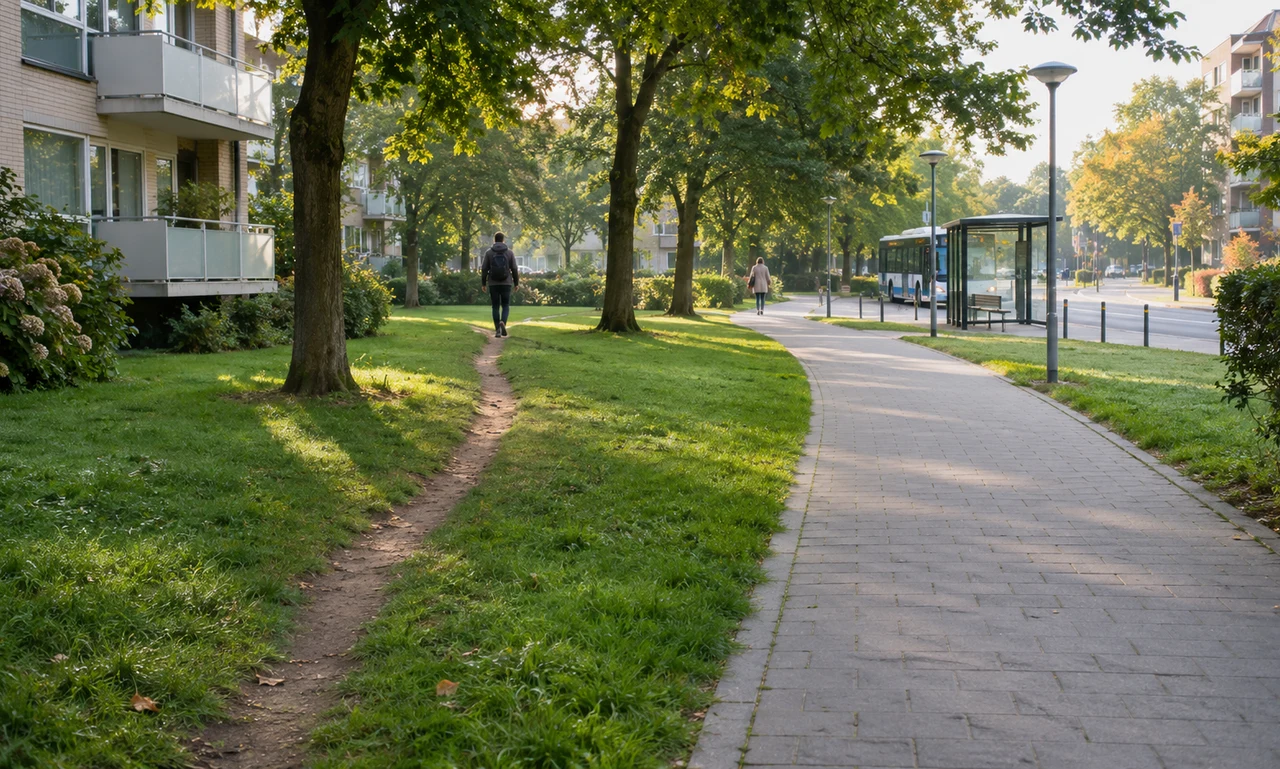
An informal path records repeated choices
A worn line through the grass can reveal where the official route and the journey people actually take have parted.
Perspectives and practical guides from Everyday News.
A worn line through the grass can reveal where the official route and the journey people actually take have parted.
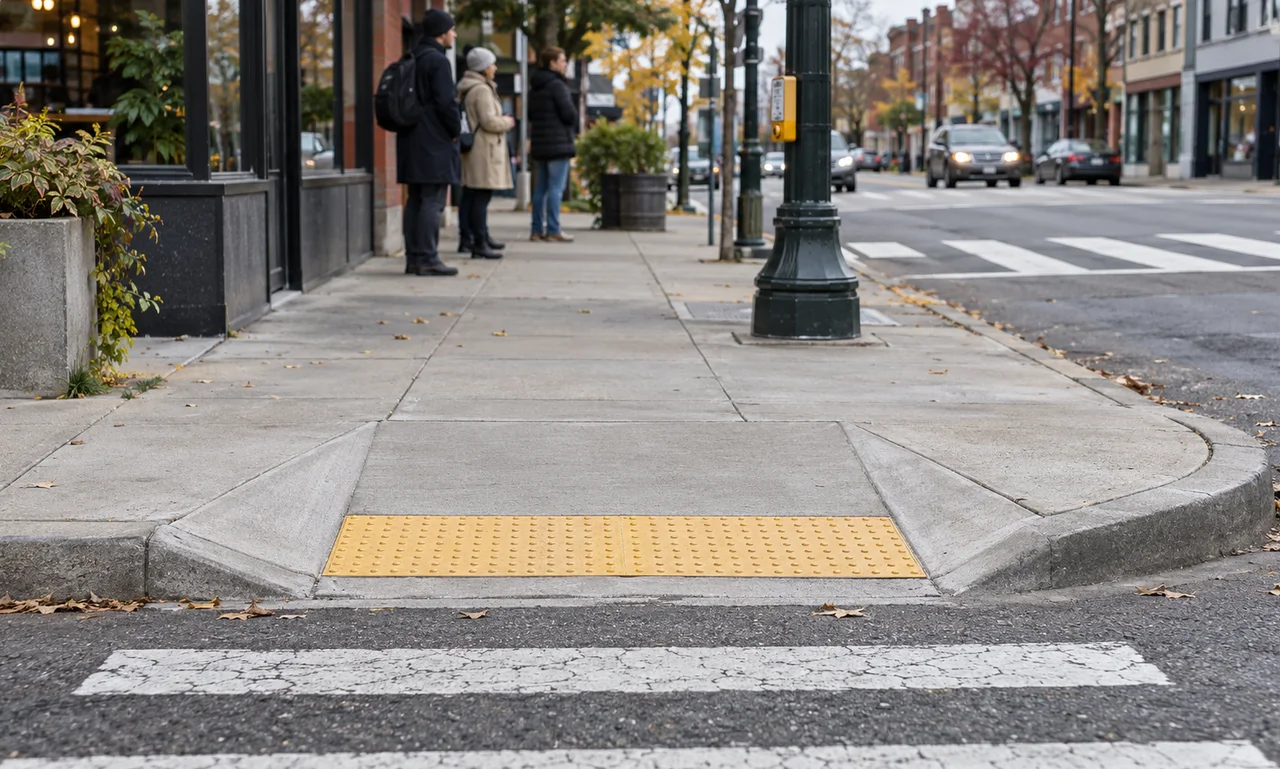
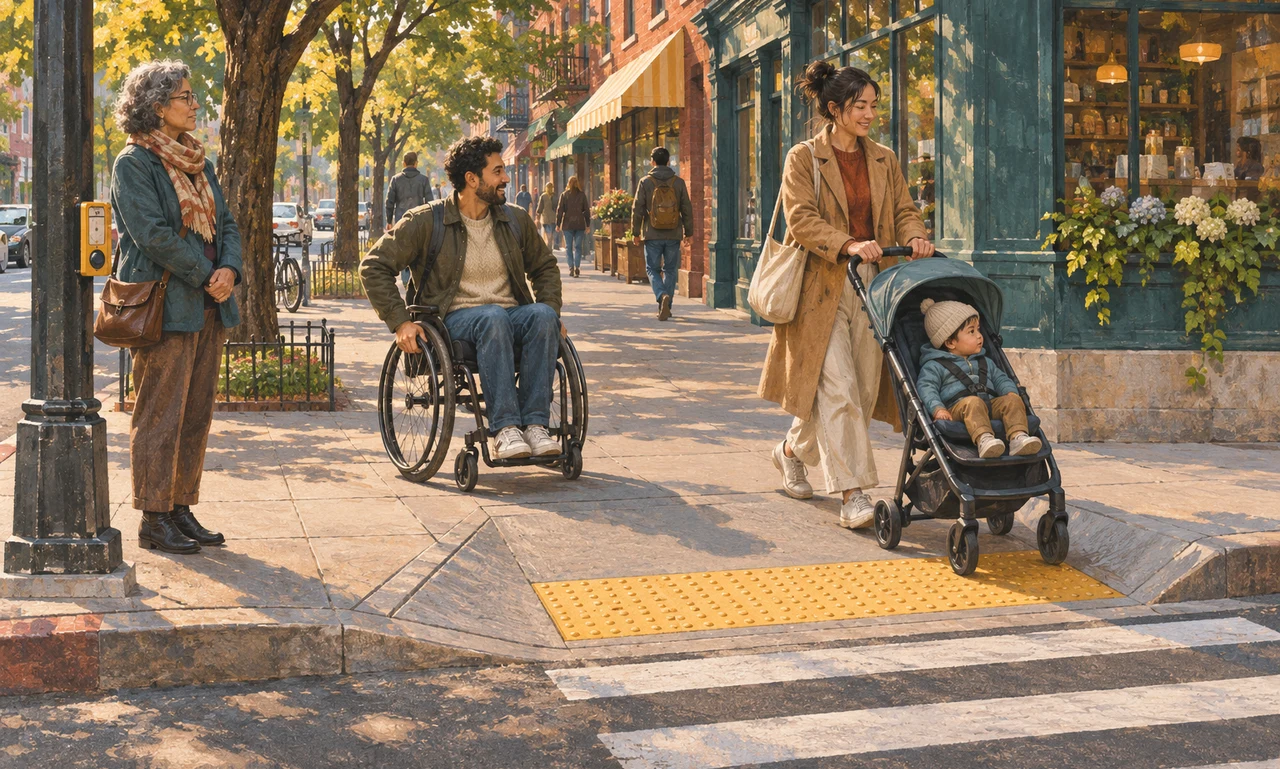
The sloped corner is part of the crossing route, not extra standing space beside it.
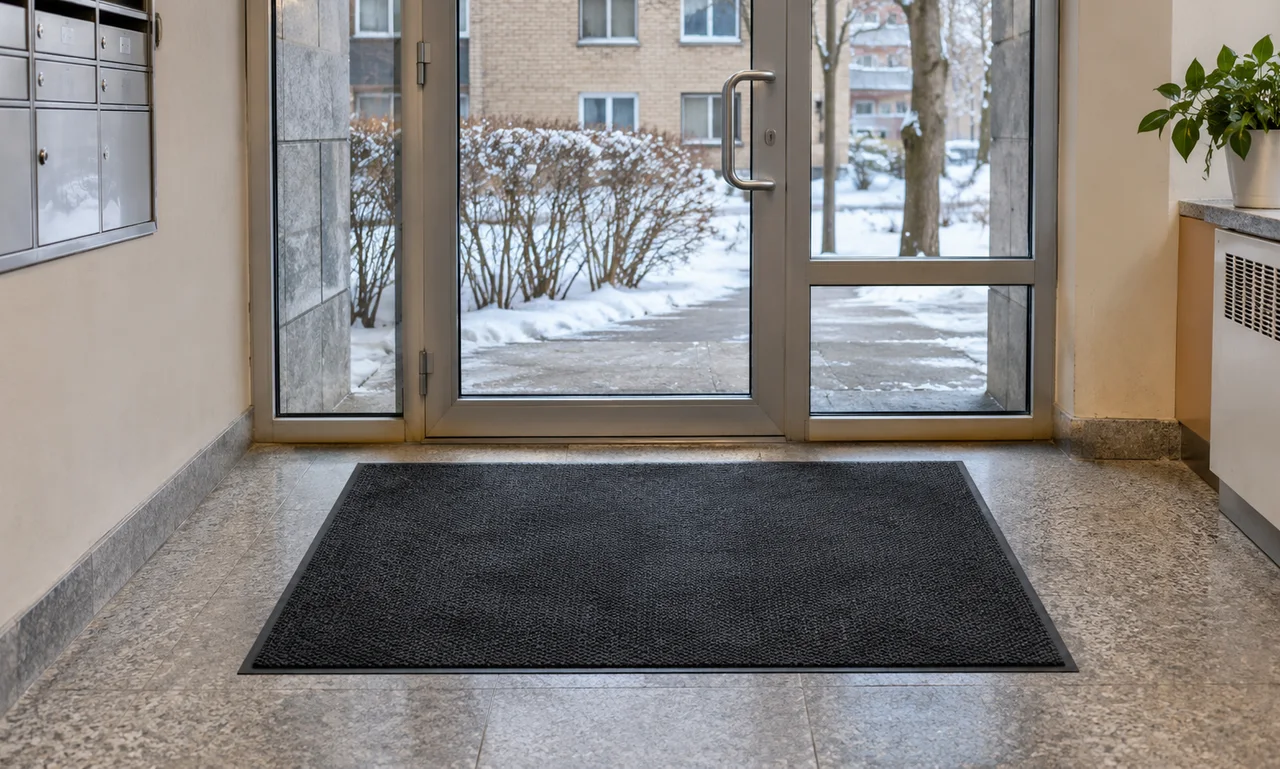
The mat catches what arrives on people’s shoes, but its edges still belong to the route through the door.
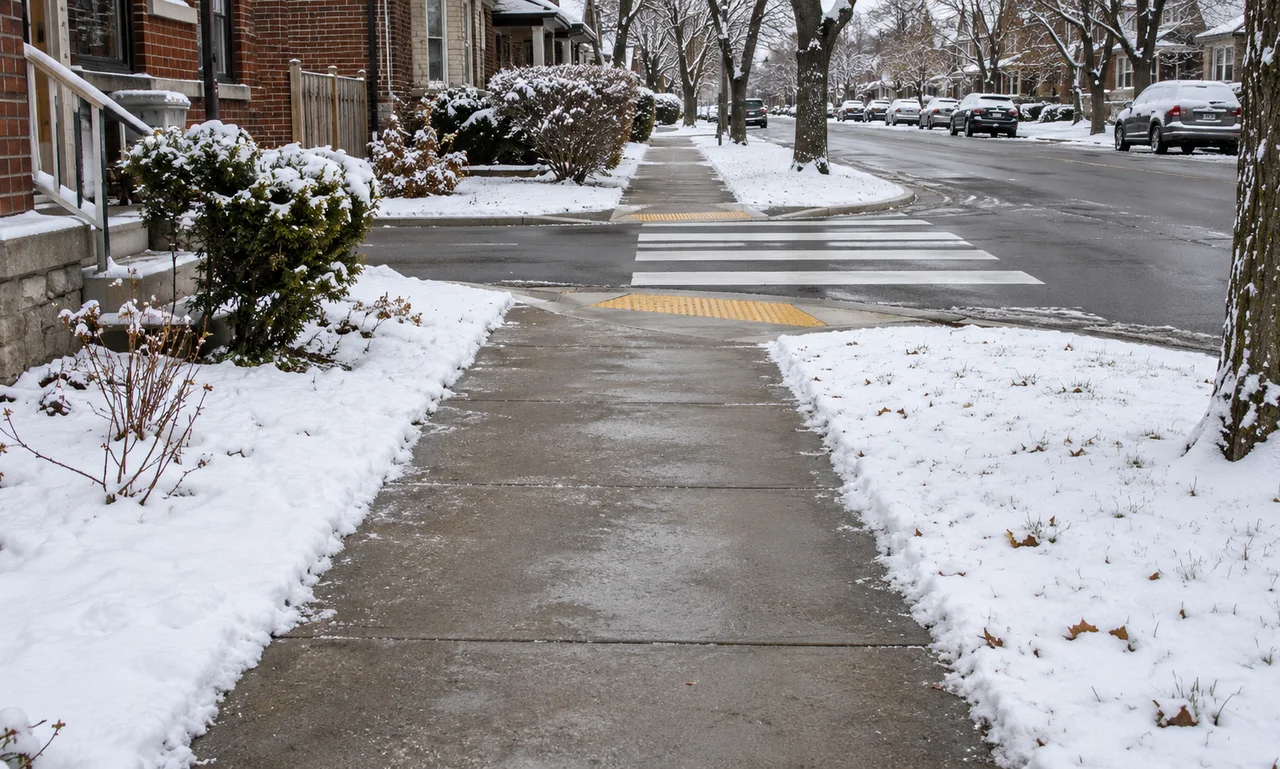
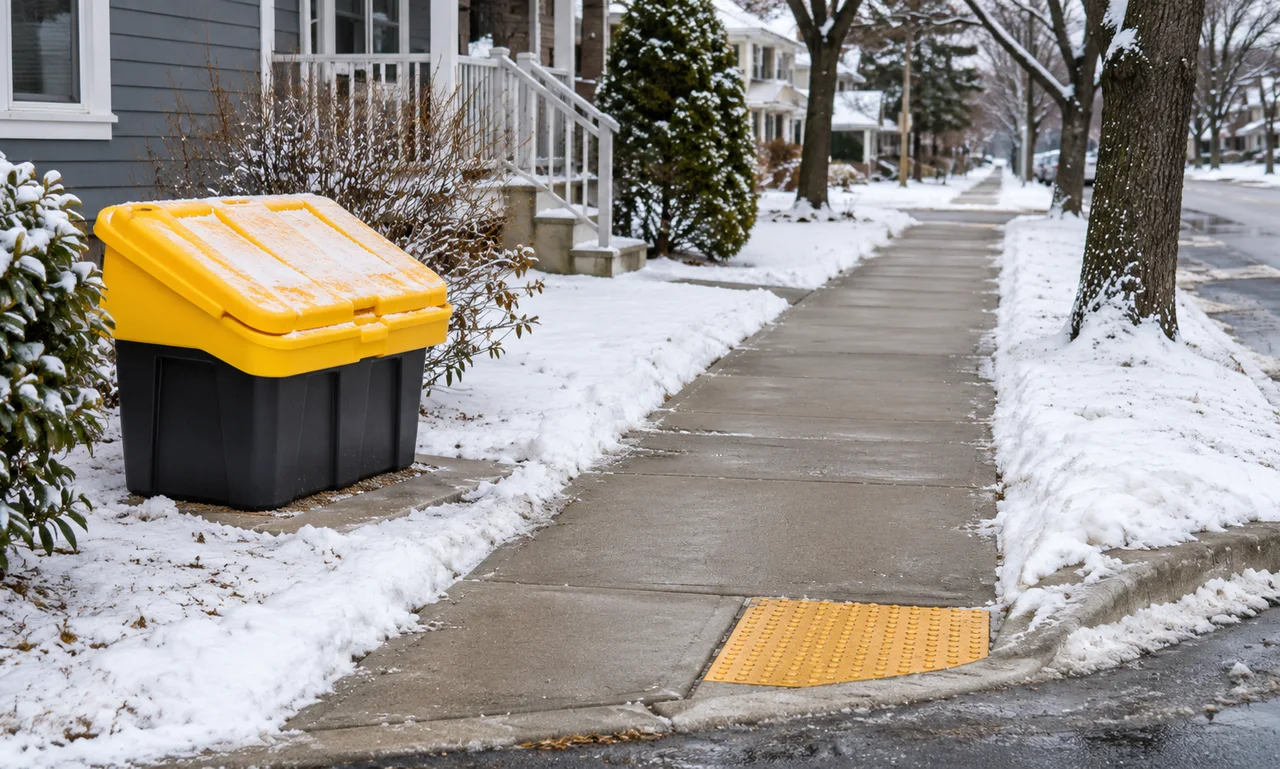
A dry stretch of sidewalk is only part of the journey if snow still closes the final steps to the curb ramp.
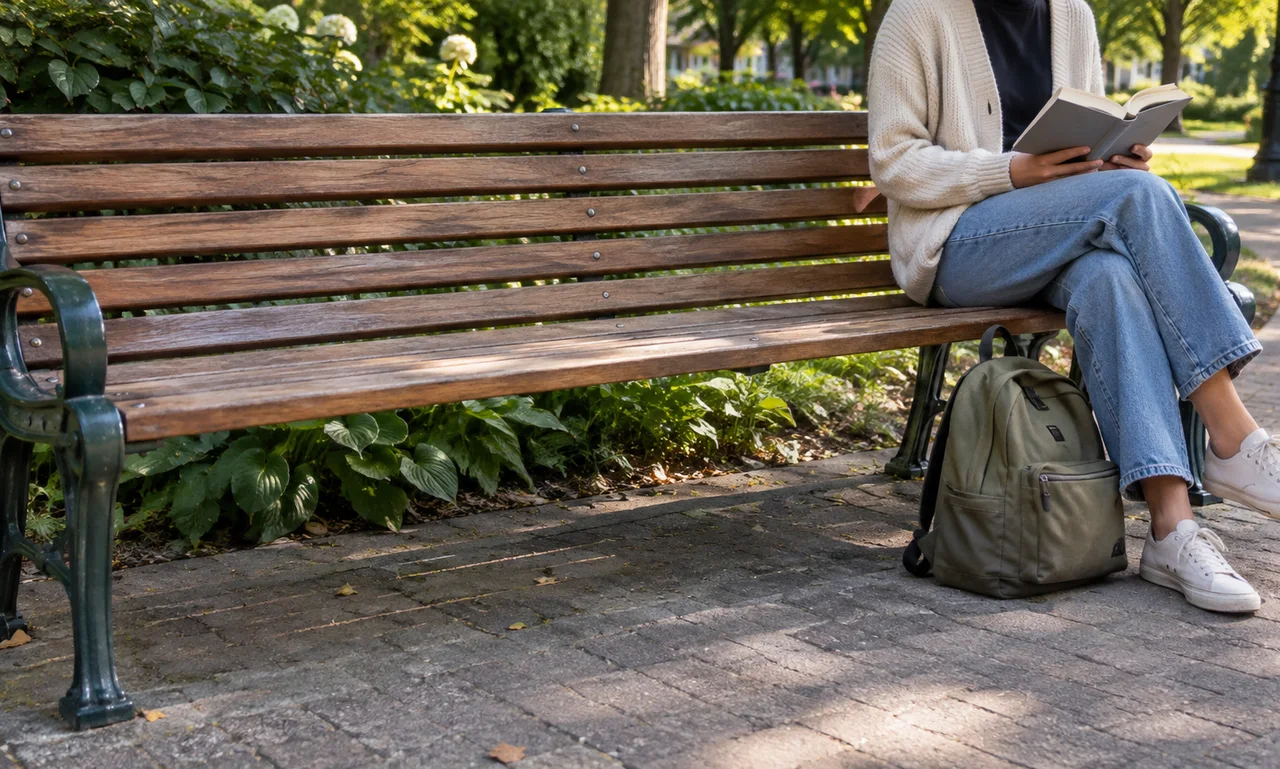
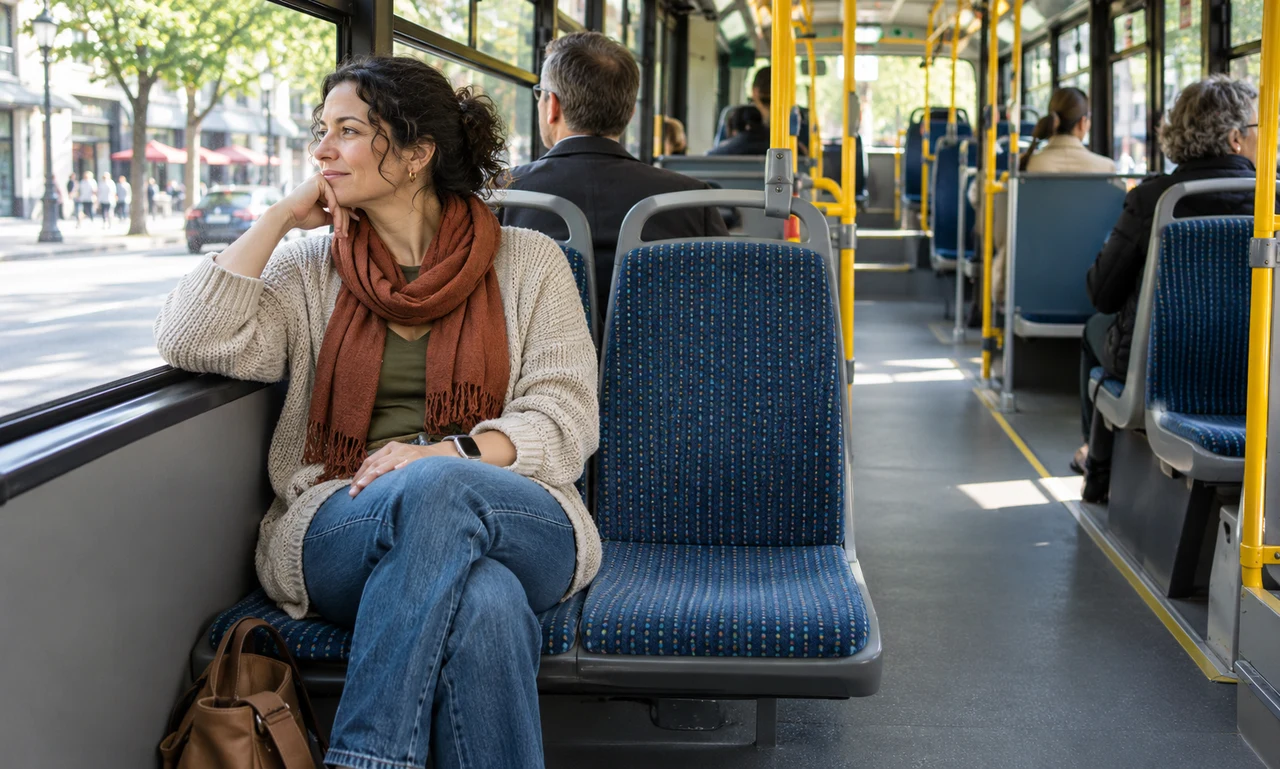
A bag can rest nearby so the seat remains available to the person who needs a pause.
Winter supplies are most useful when they are easy to reach without narrowing the very path they are meant to help.
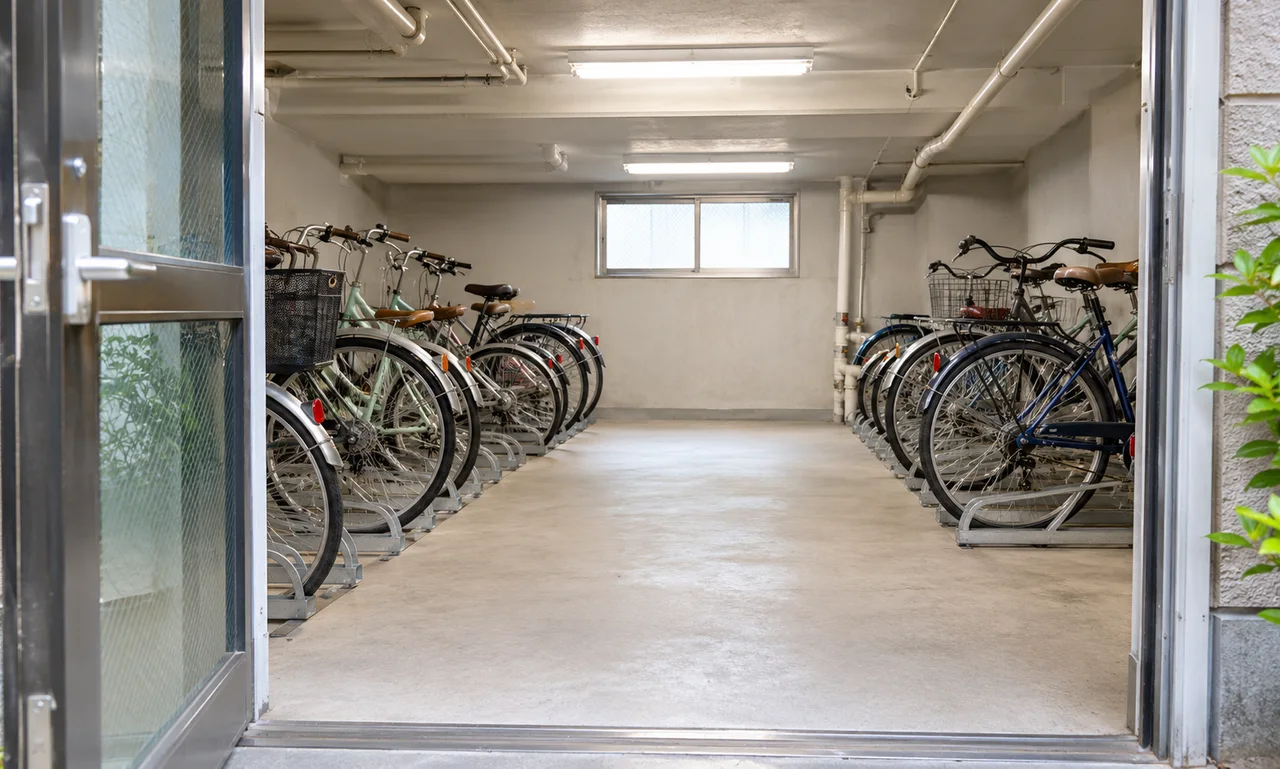
A shared bicycle room works better when the doorway remains a route rather than becoming another storage space.
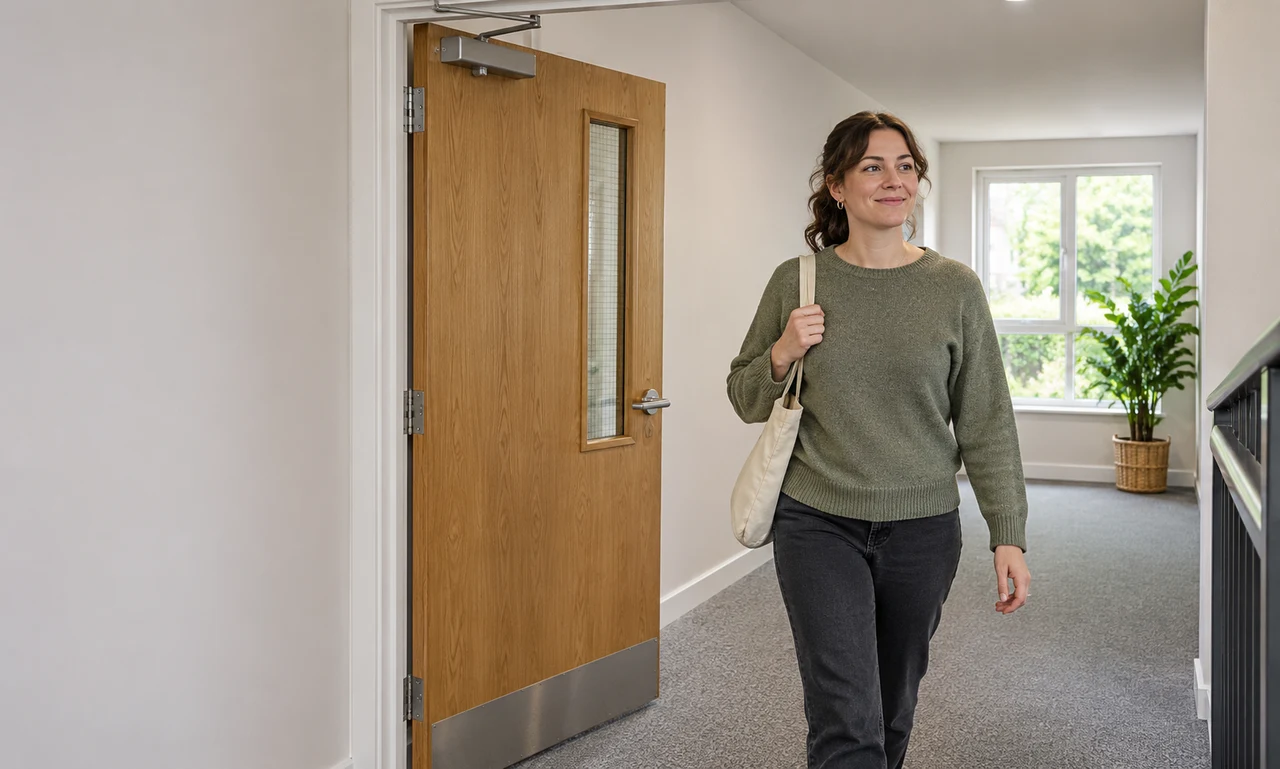
Letting a self-closing door complete its movement helps a shared building keep an important layer of protection in place.
The view, the neighbouring place and the route to the aisle all become part of how one passenger shares a bus row.
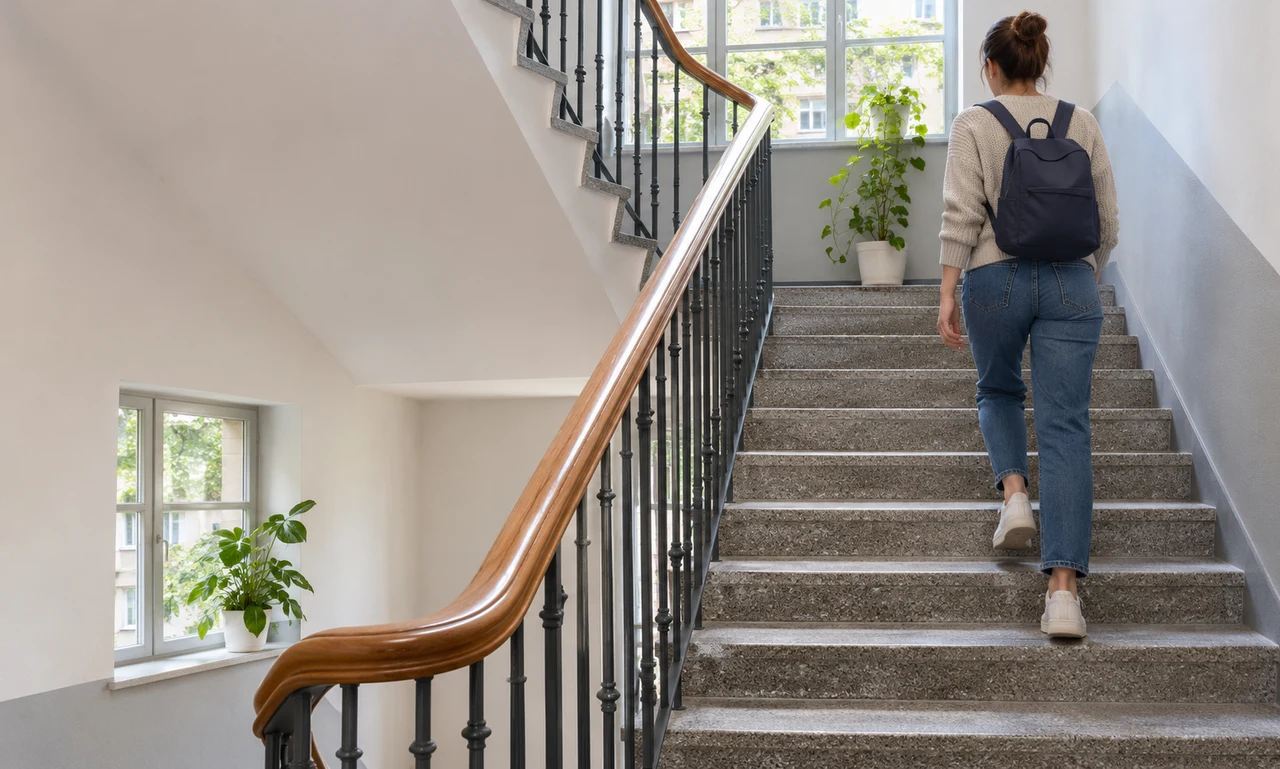
A bag, sleeve or decoration can turn a useful support into an obstacle on a staircase shared by many people.
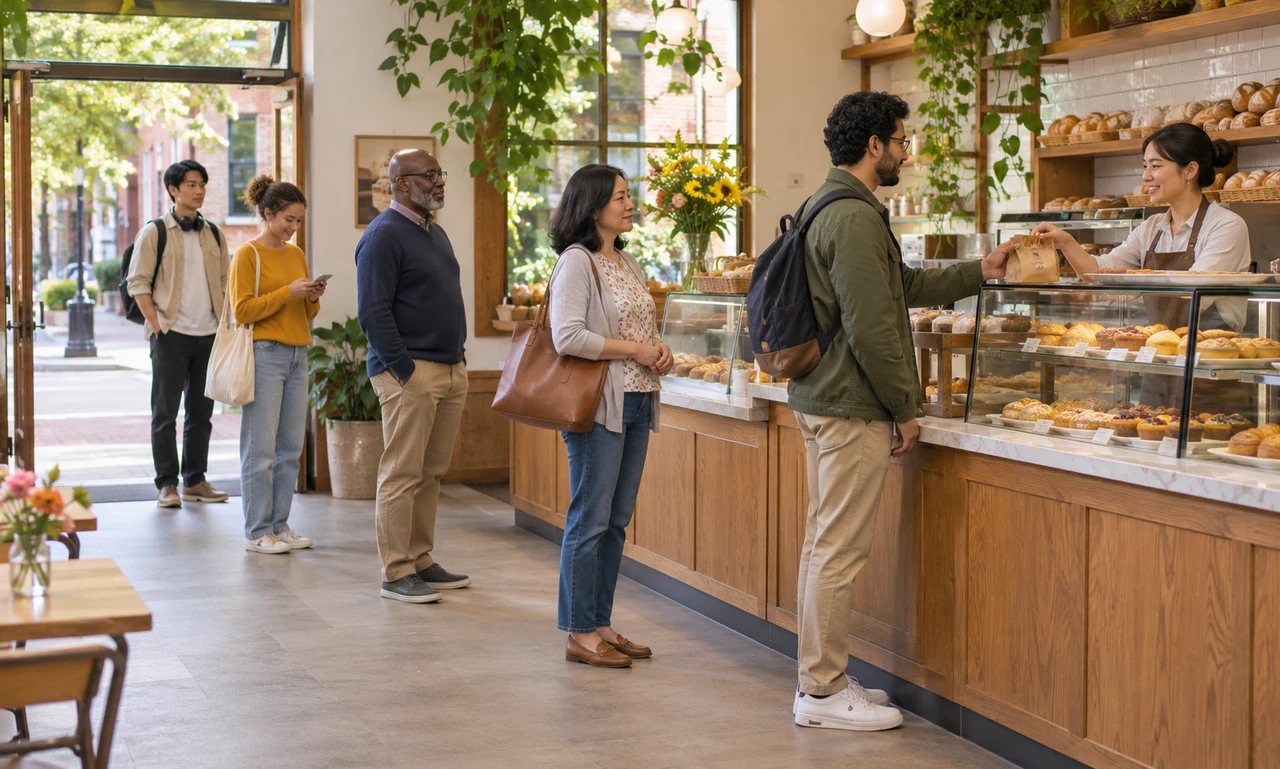
The space people leave while waiting can keep an entrance, aisle and service point usable for everyone around them.
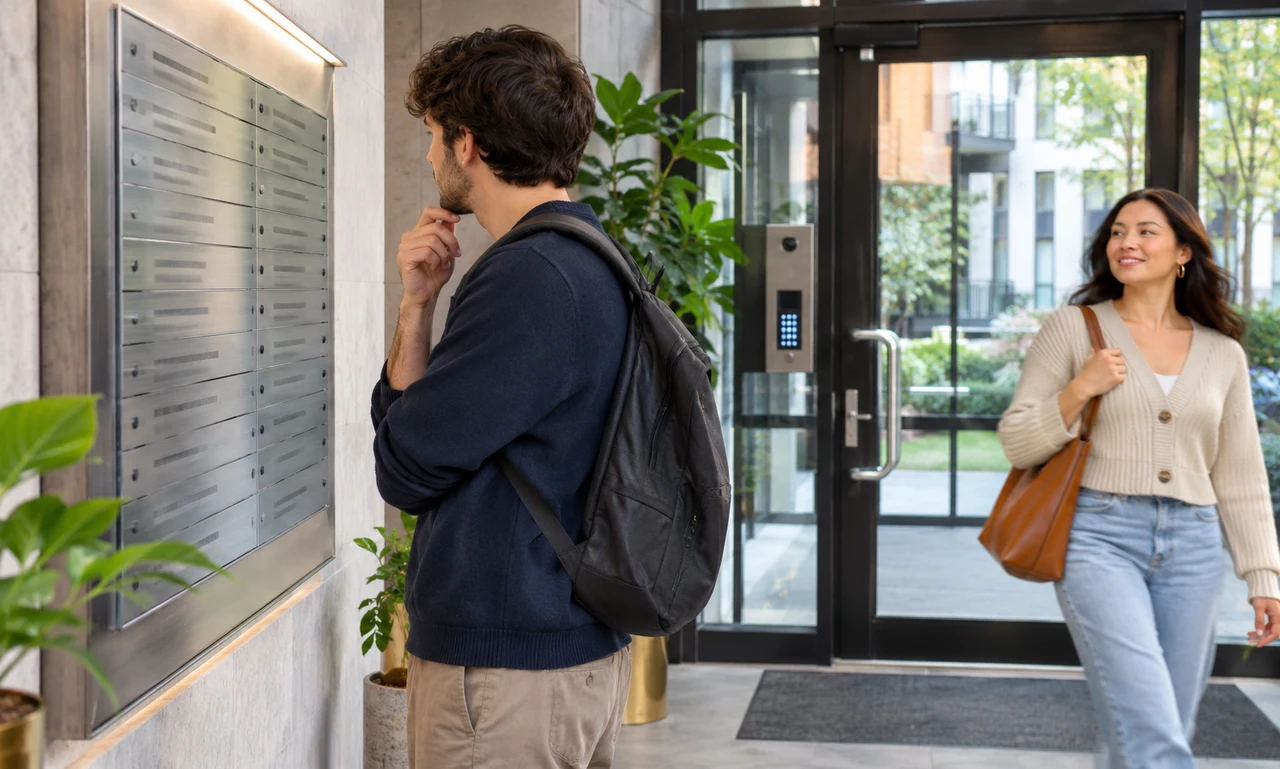
An entry list can help a visitor find the right resident without displaying more personal information than the visit requires.
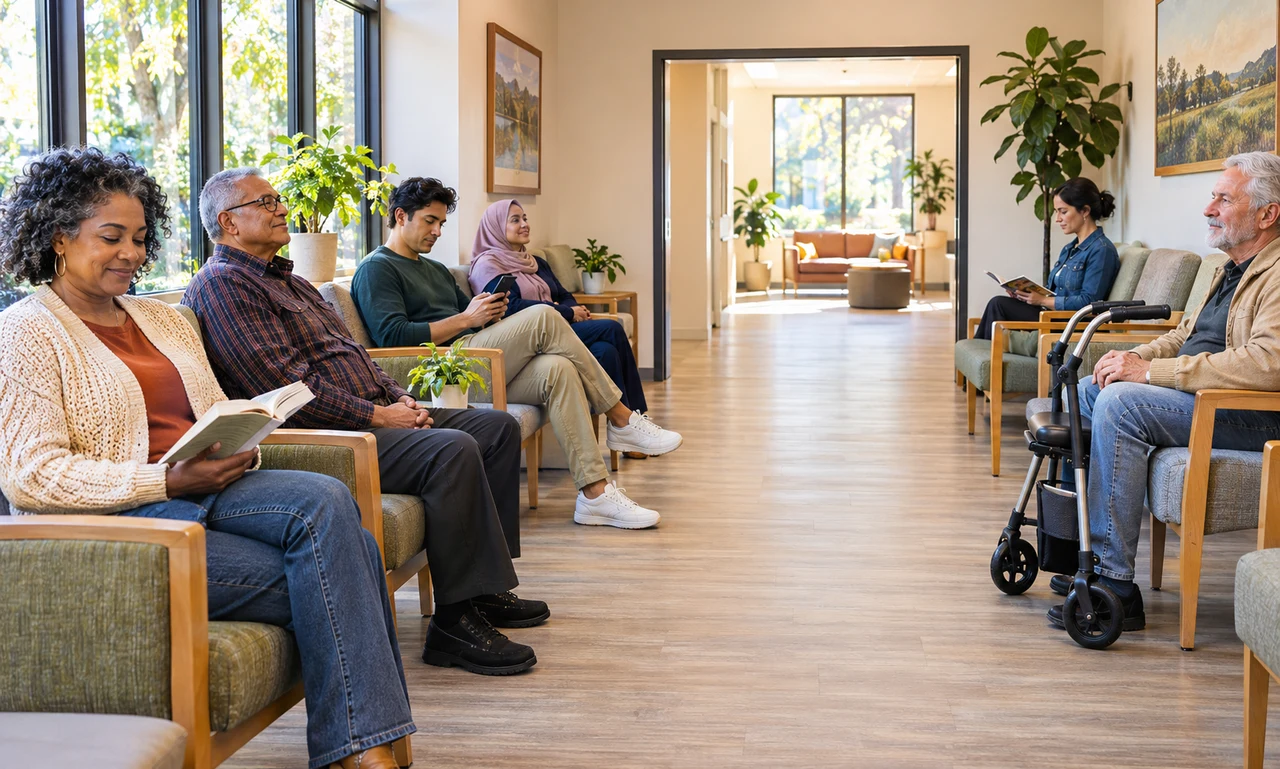
The route between the entrance, reception and seating matters as much as the chairs in a room built for people to pause.
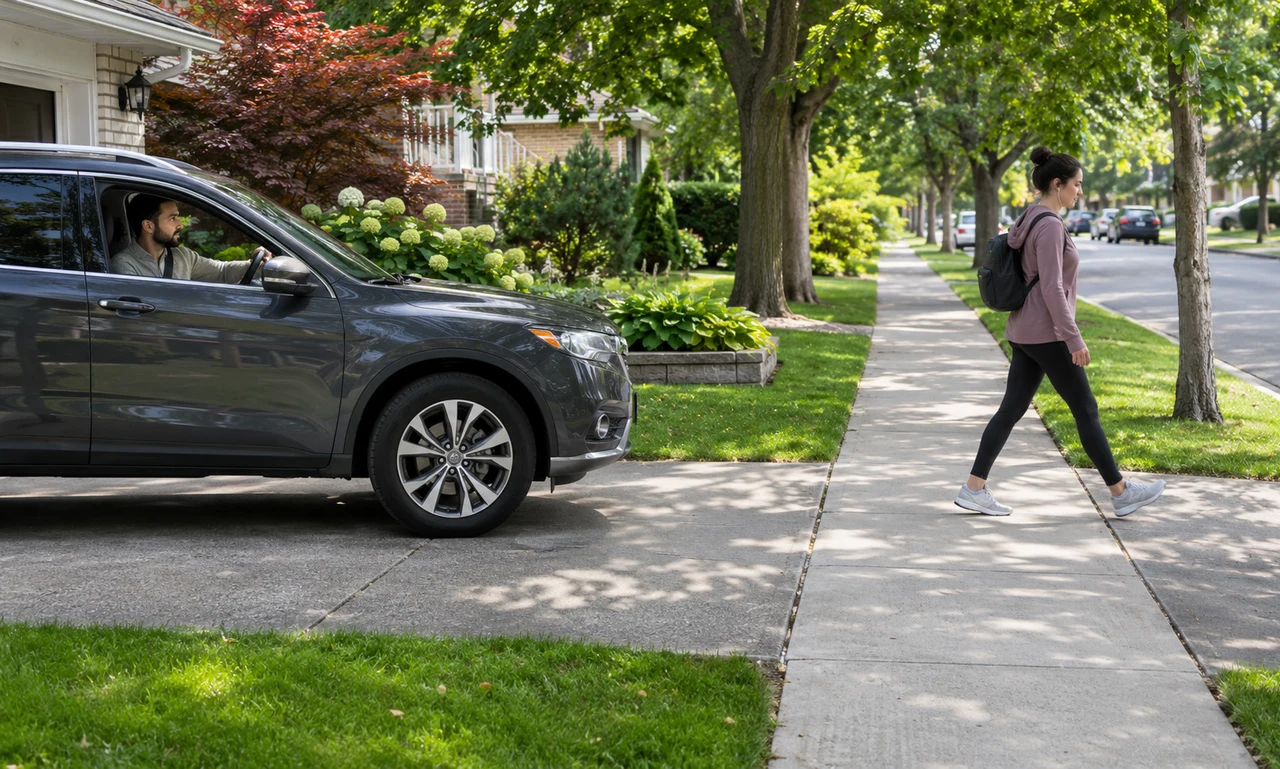
Where a vehicle route meets a walking route, a familiar strip of pavement becomes a shared point of attention.
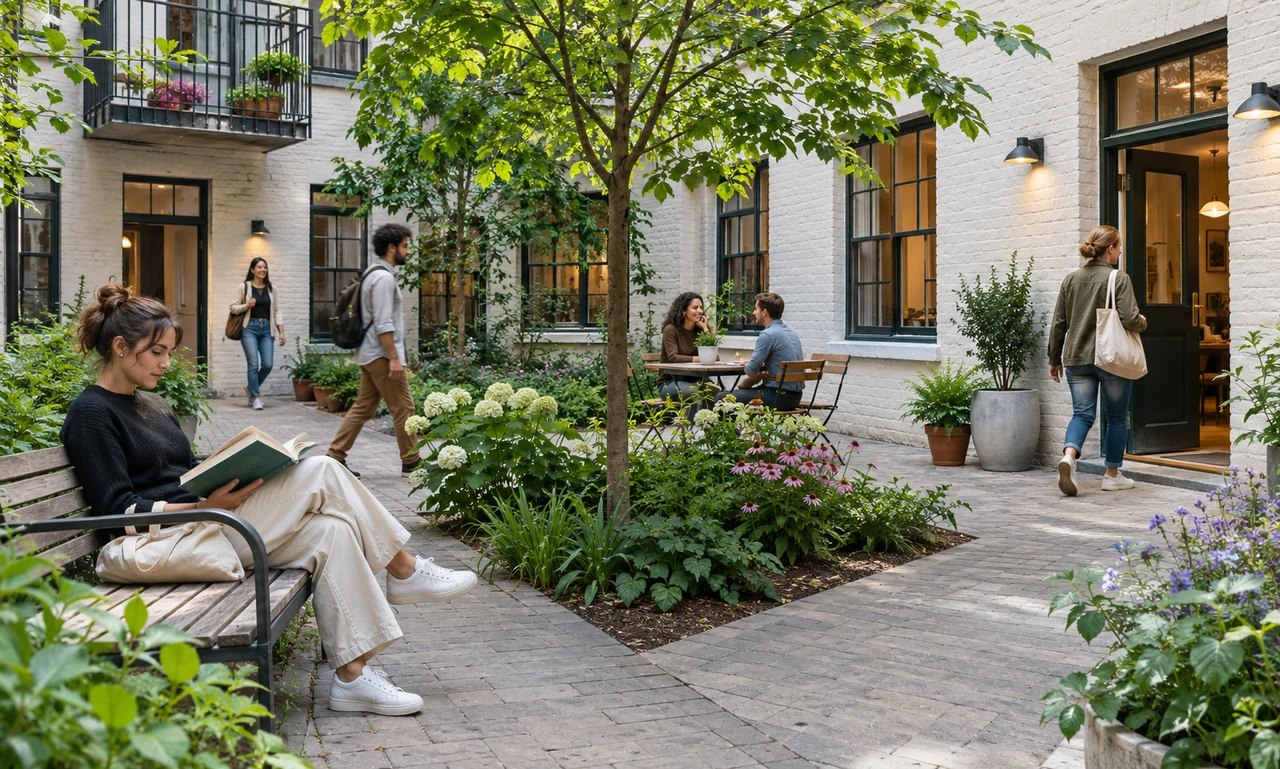
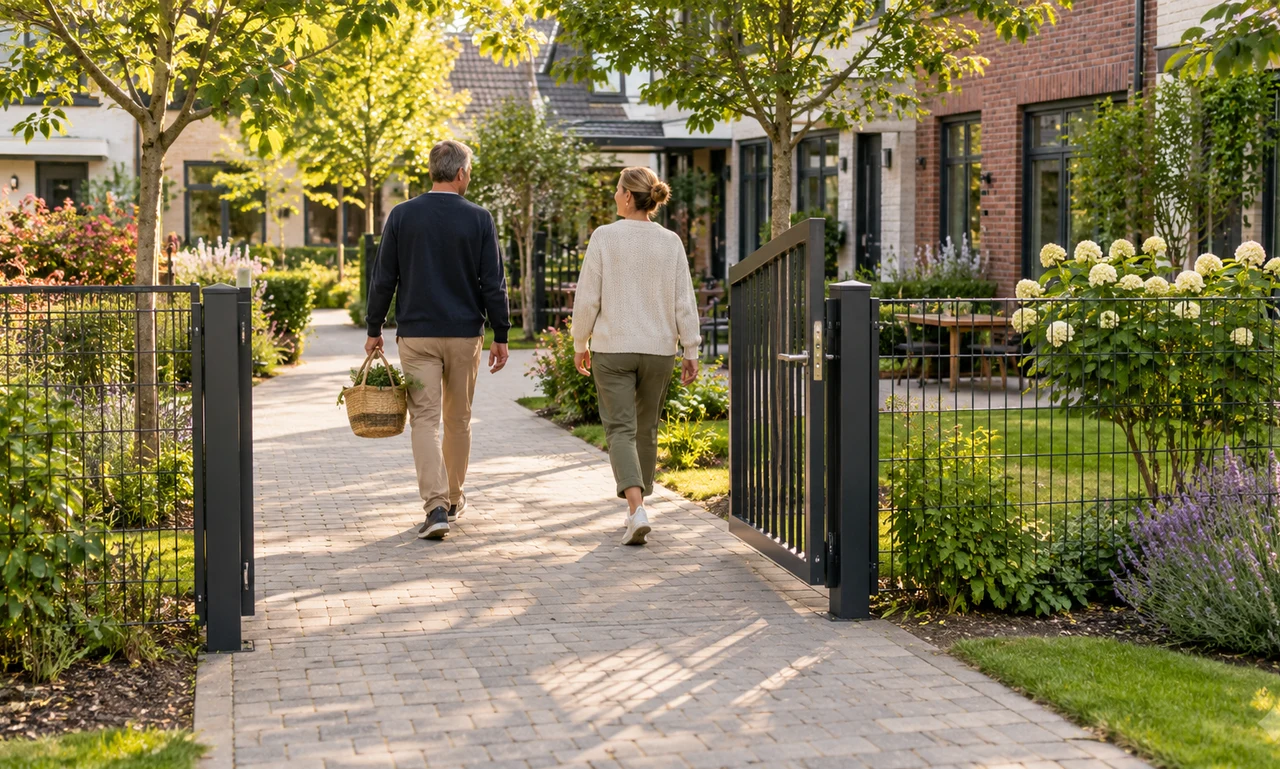
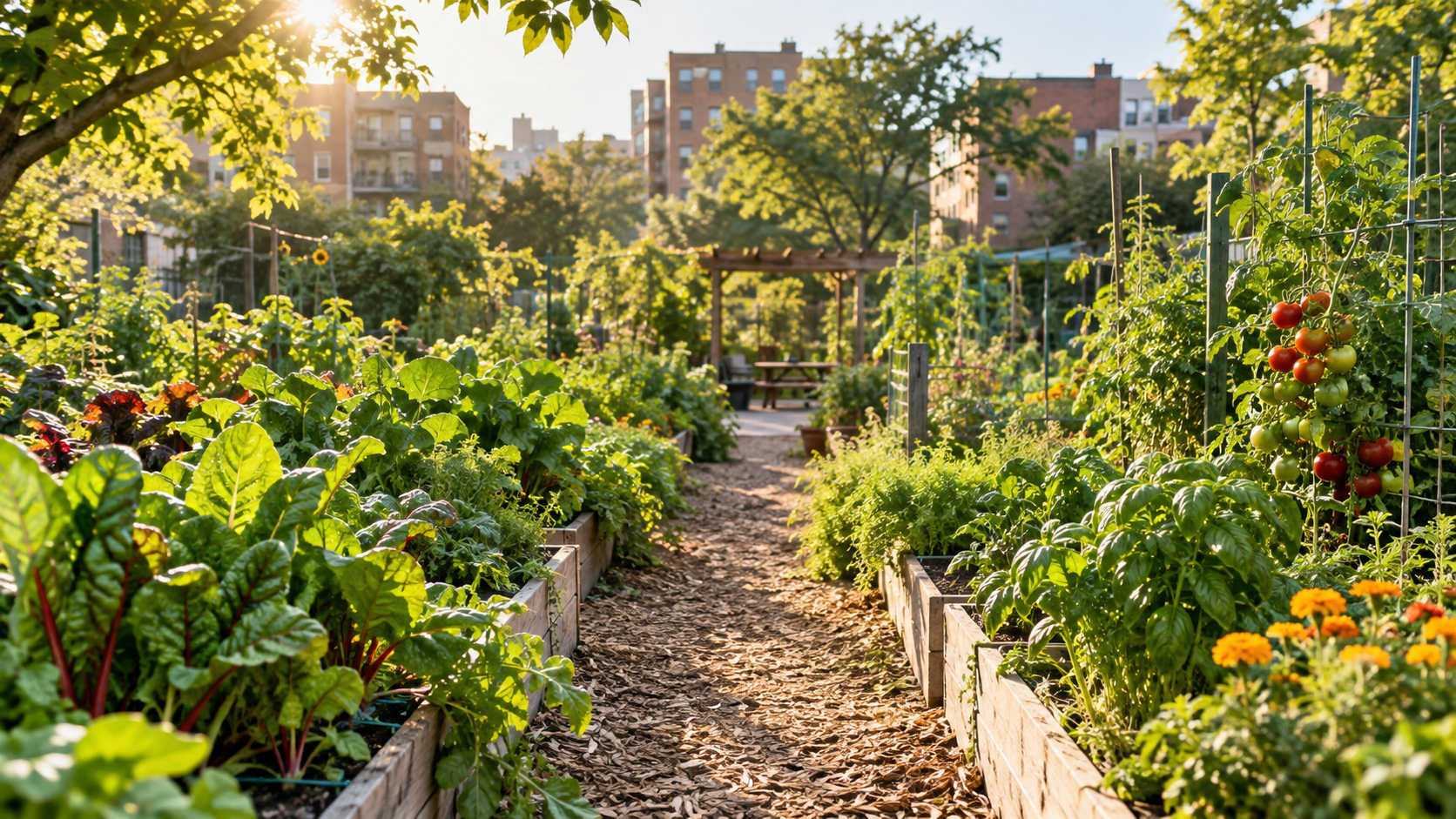
A space that feels like one garden may also be the daily arrival route for several different homes.
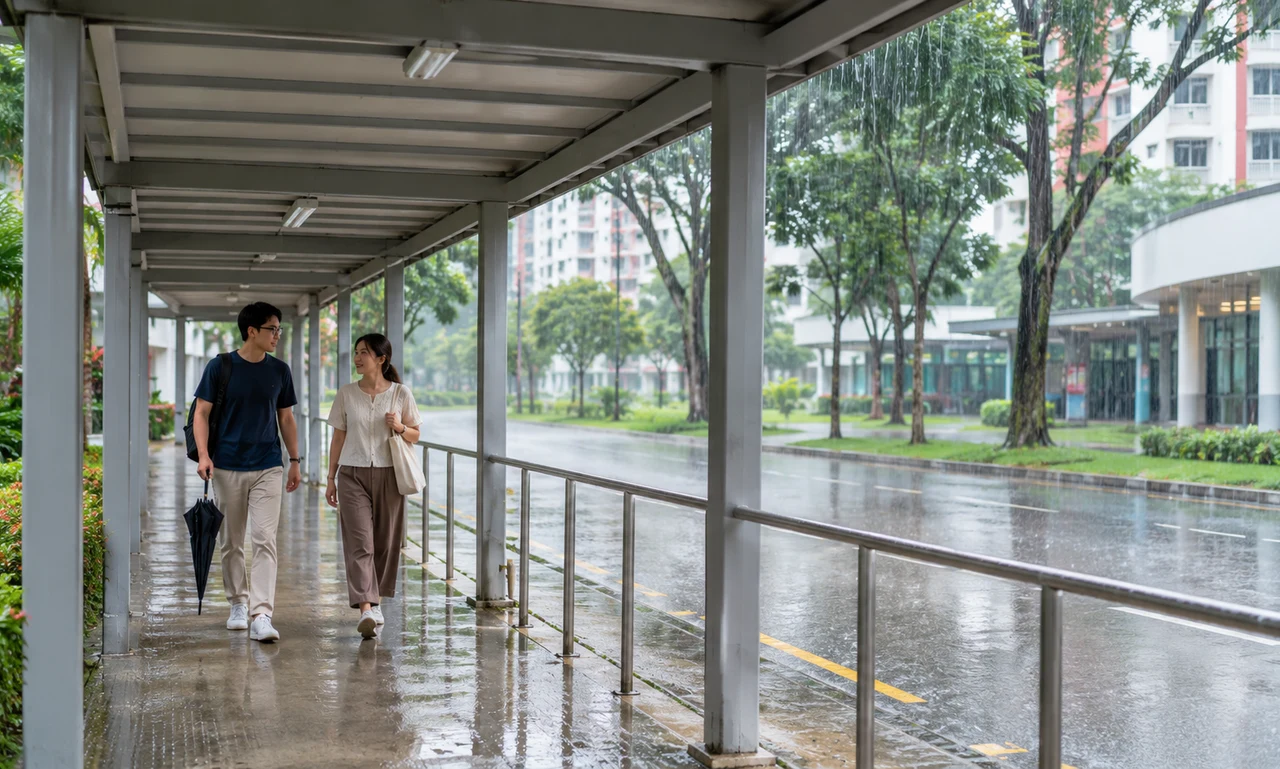
A roof over part of the path can turn shelter, drainage and the open edges into important parts of an ordinary walk.
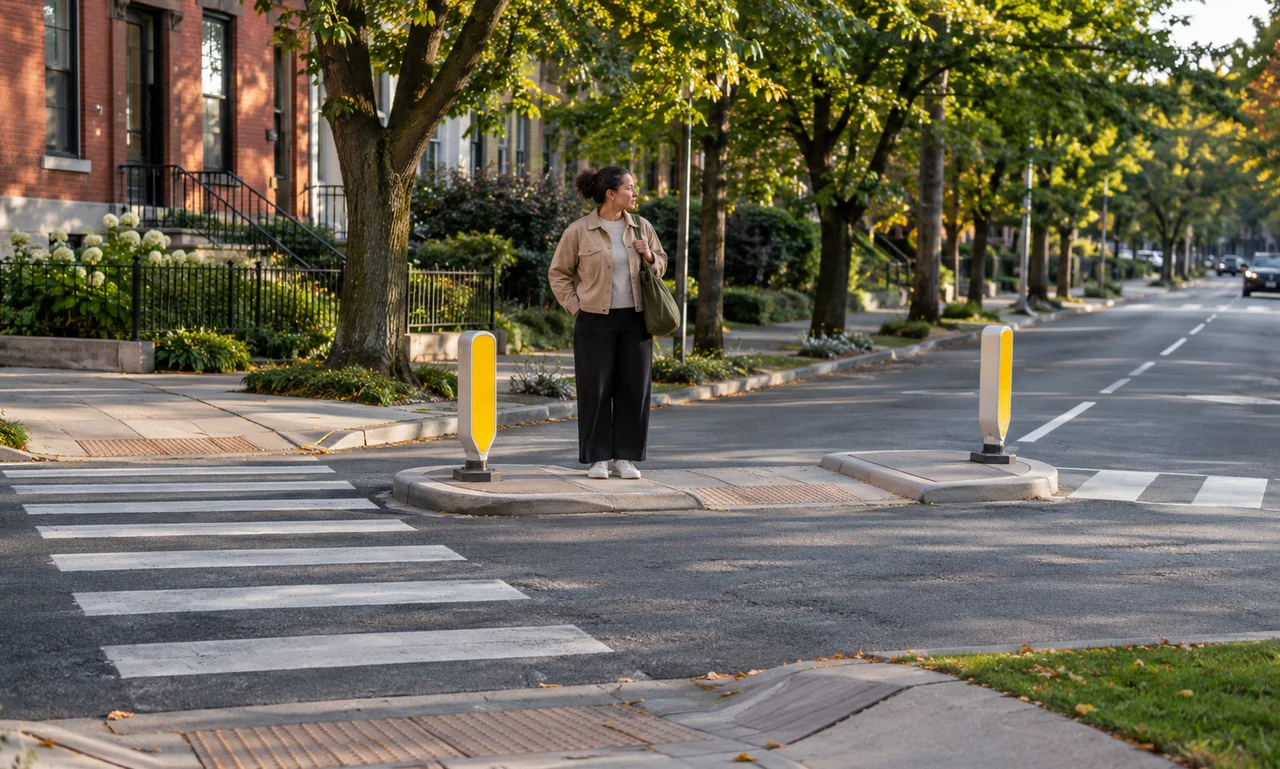
The small space between lanes can divide one difficult crossing into two decisions without becoming a place to linger.
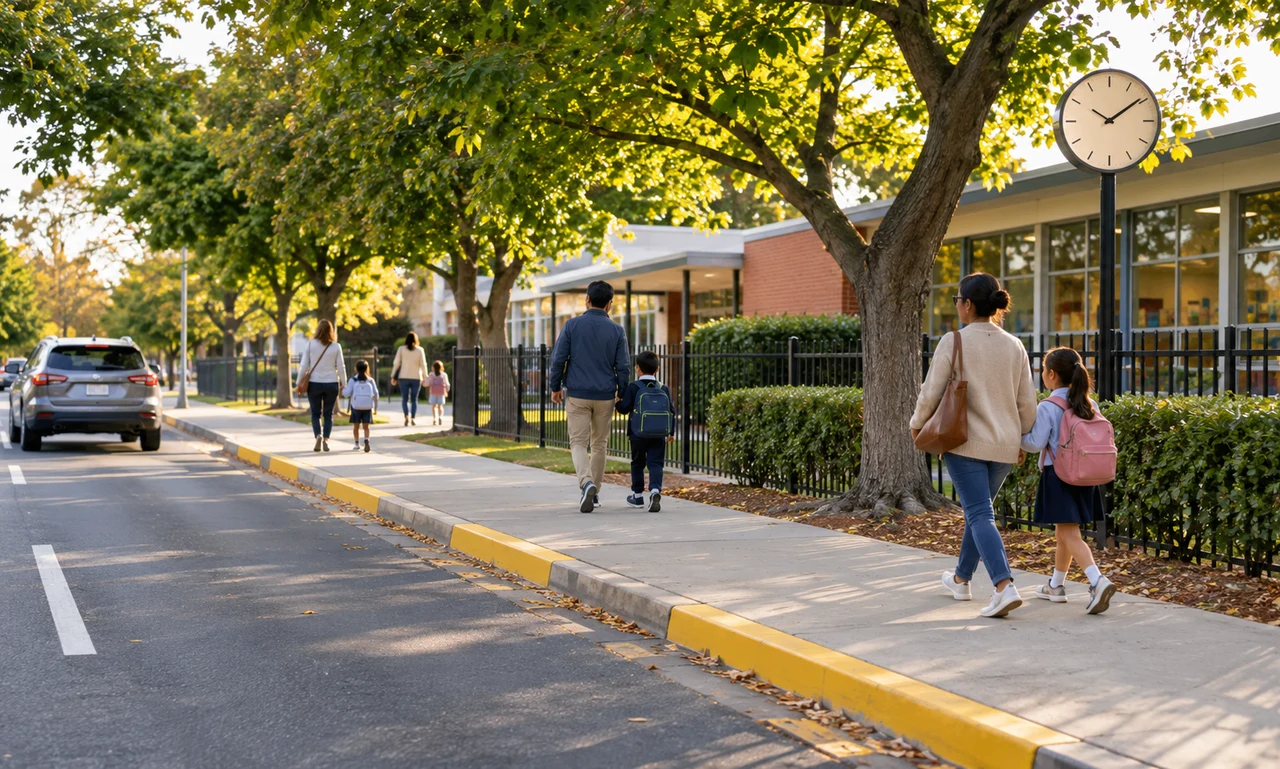
The same strip of street can serve arrivals, departures and ordinary traffic differently as the school day moves.
The path through a gate begins before the latch and continues after the swing has cleared.
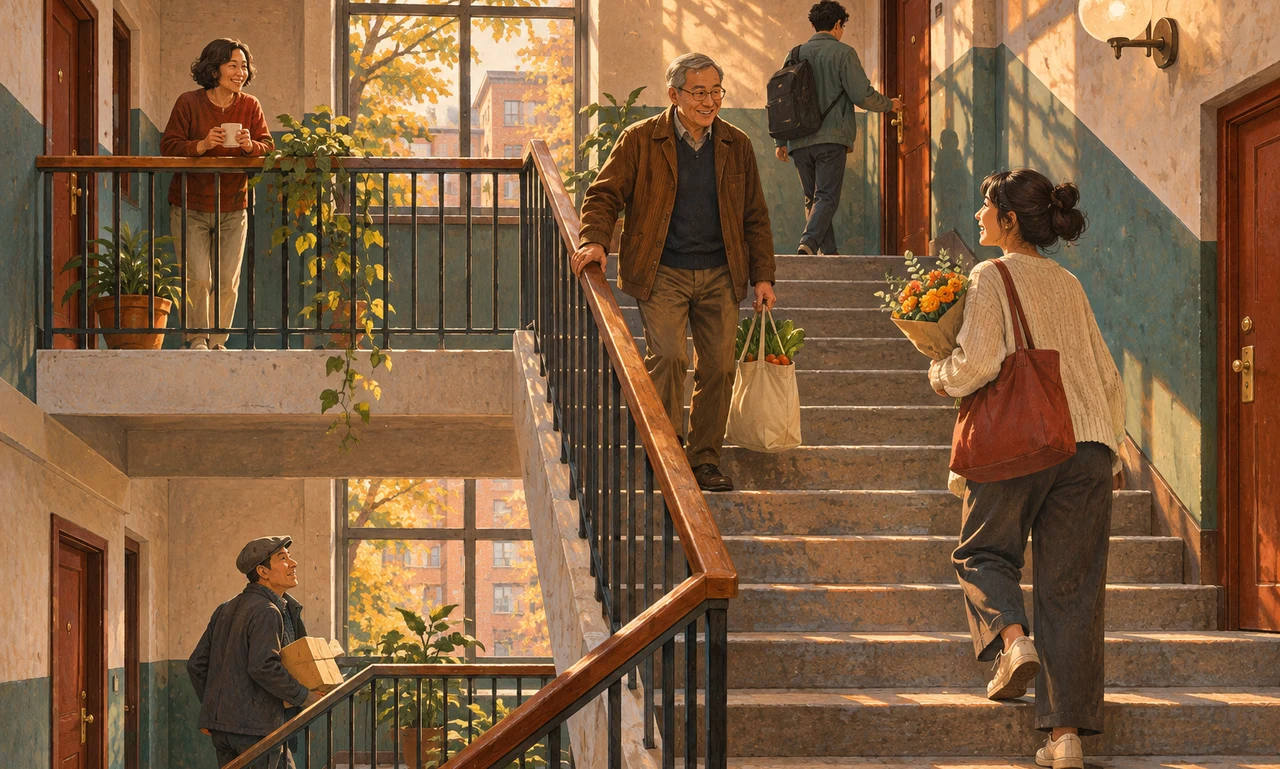
Landings, railings and repeated doors connect neighbours who may live only a few steps apart, but on different floors.
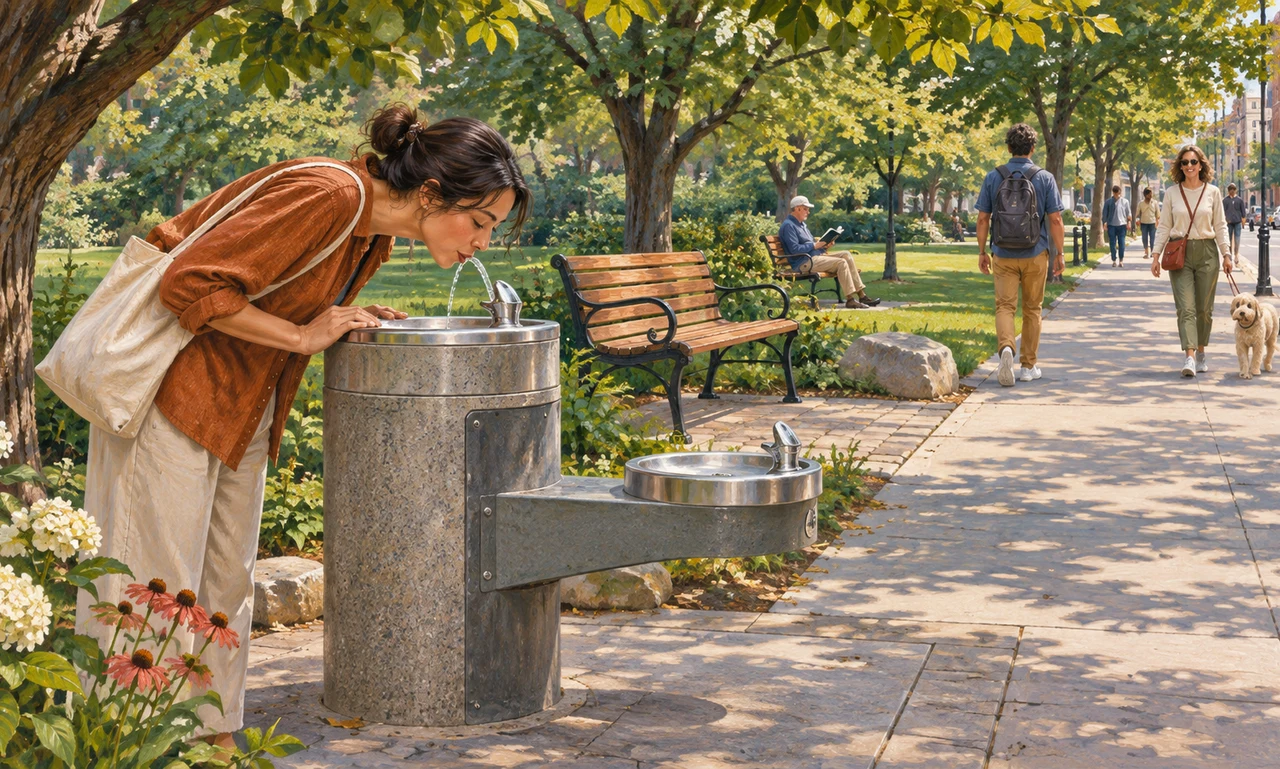
A working place to refill a bottle says that an ordinary need has been considered in the design of public space.
A gentle slope at the edge of the sidewalk supports many kinds of movement through the same shared crossing.
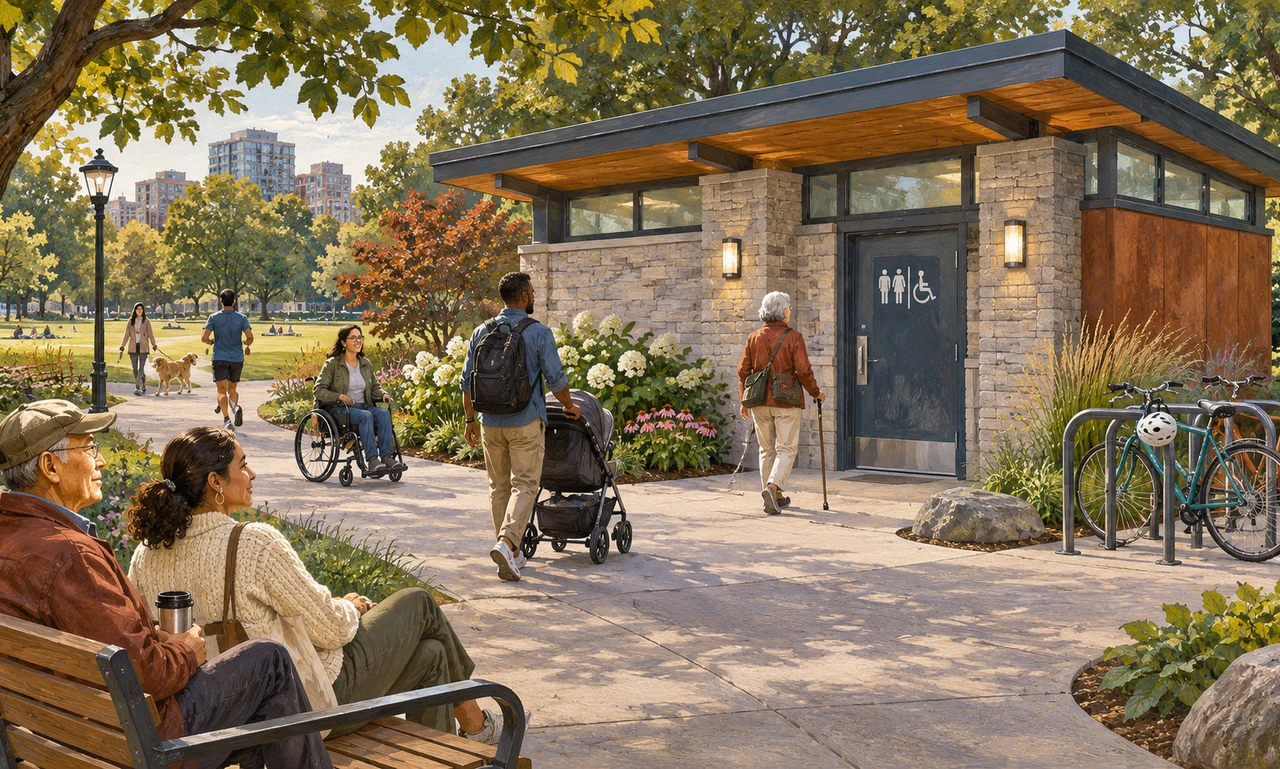
A clean, open and reachable washroom can determine how long someone is able to stay in a park, square or neighbourhood.
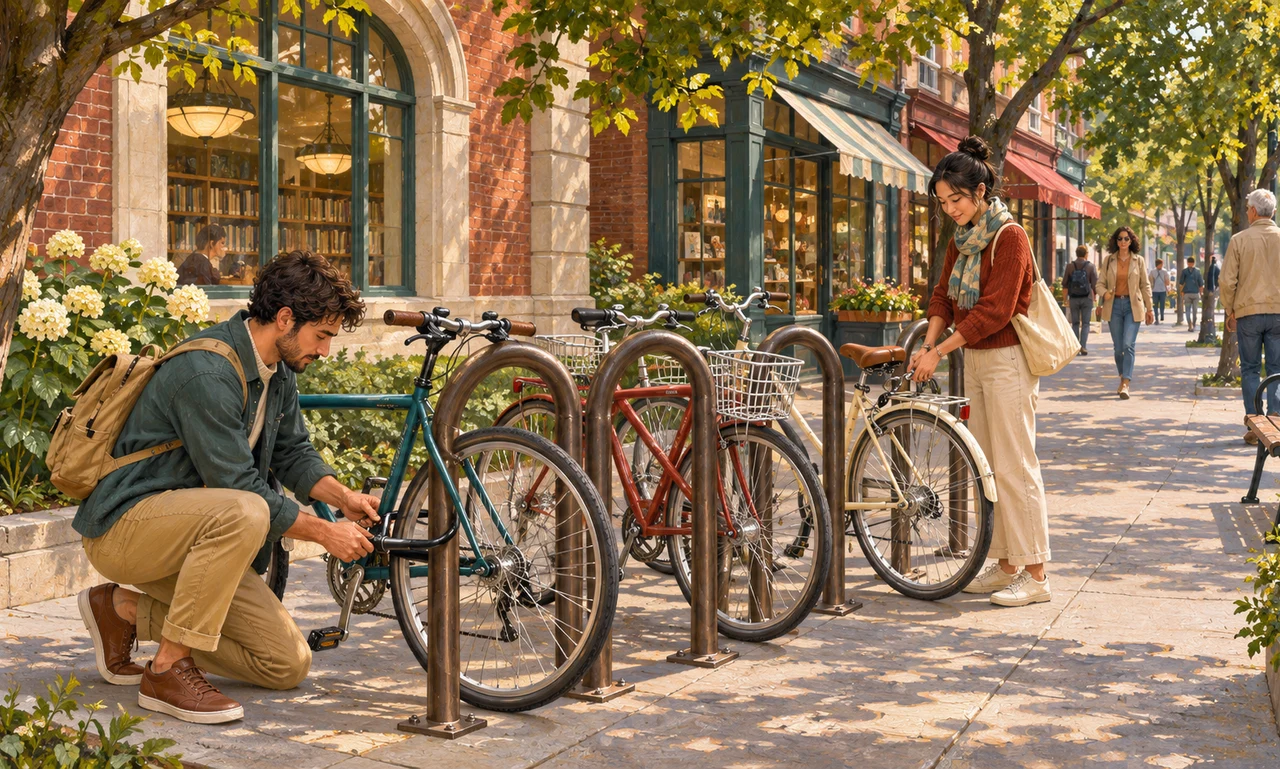
A good rack gives a bicycle a clear place to pause without turning the sidewalk into an obstacle course.
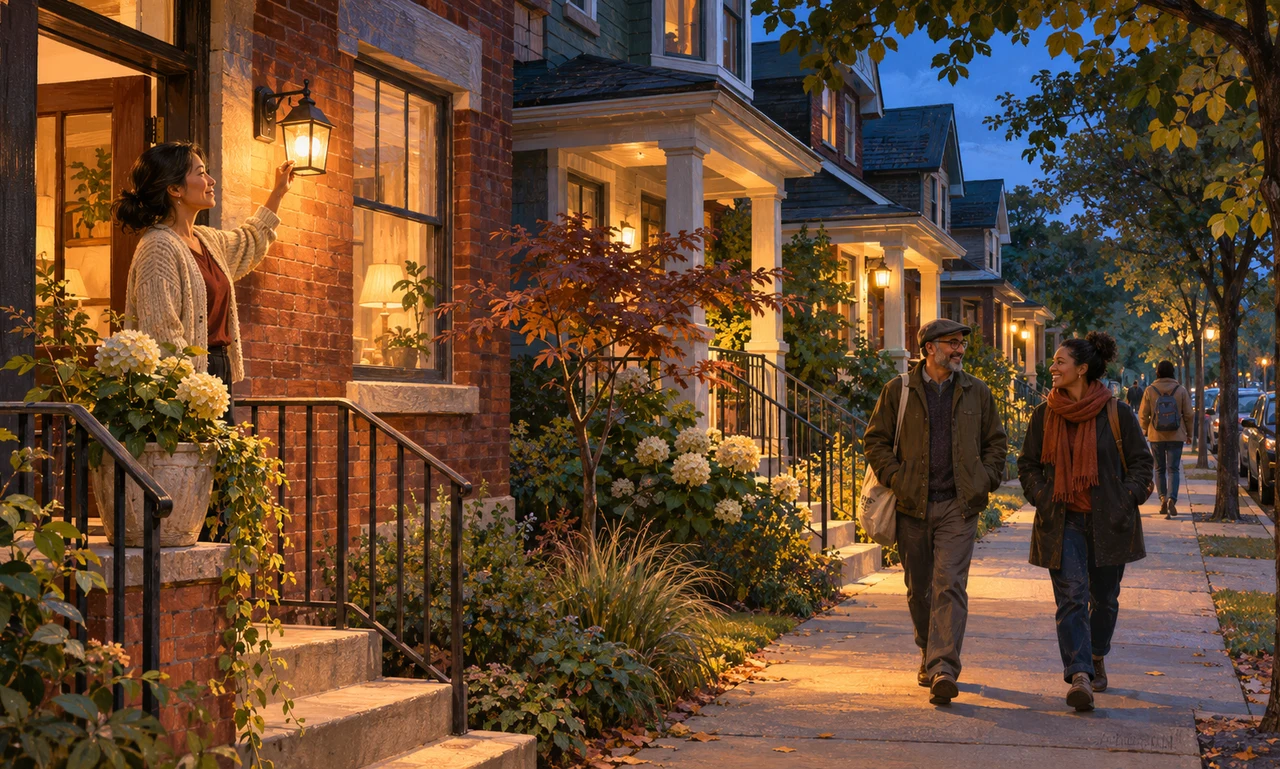
A small pool of light can clarify a doorstep and subtly shape how an evening street feels to the people moving along it.
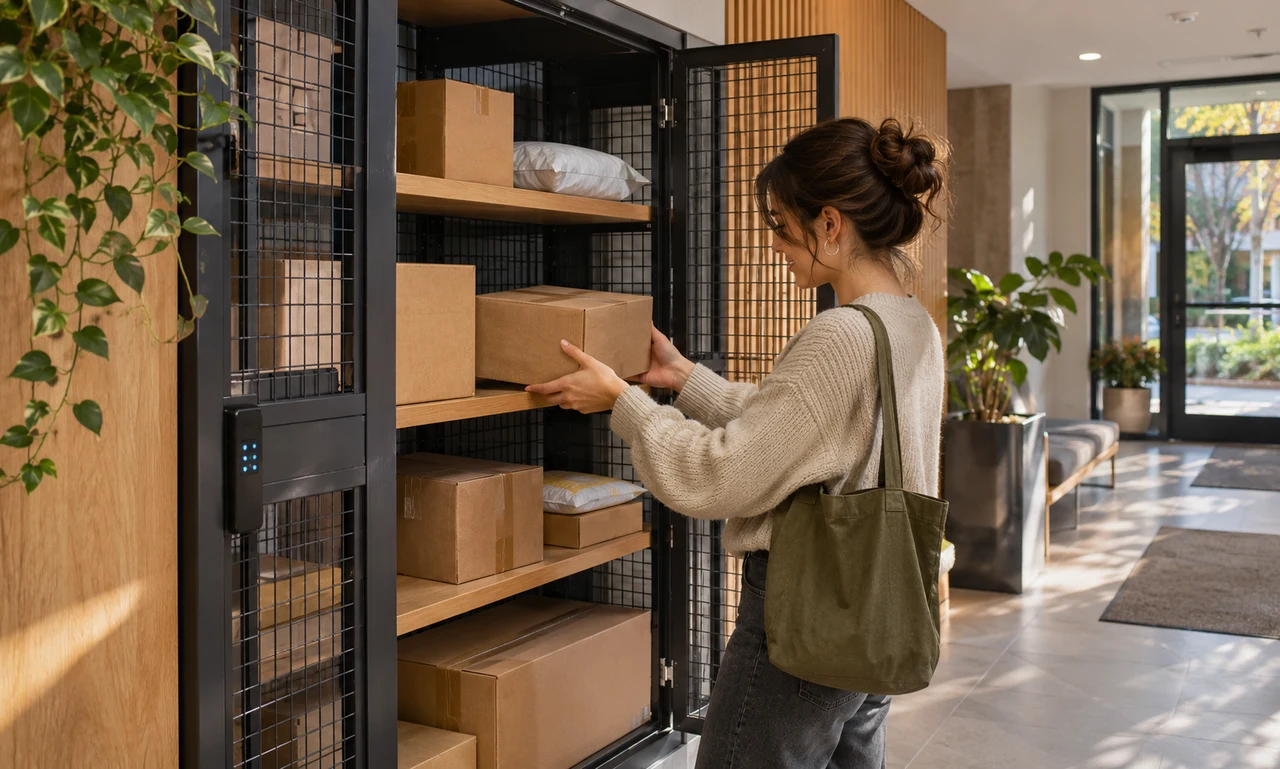
A shared delivery area works best when parcels move securely from courier to resident without taking over the lobby.
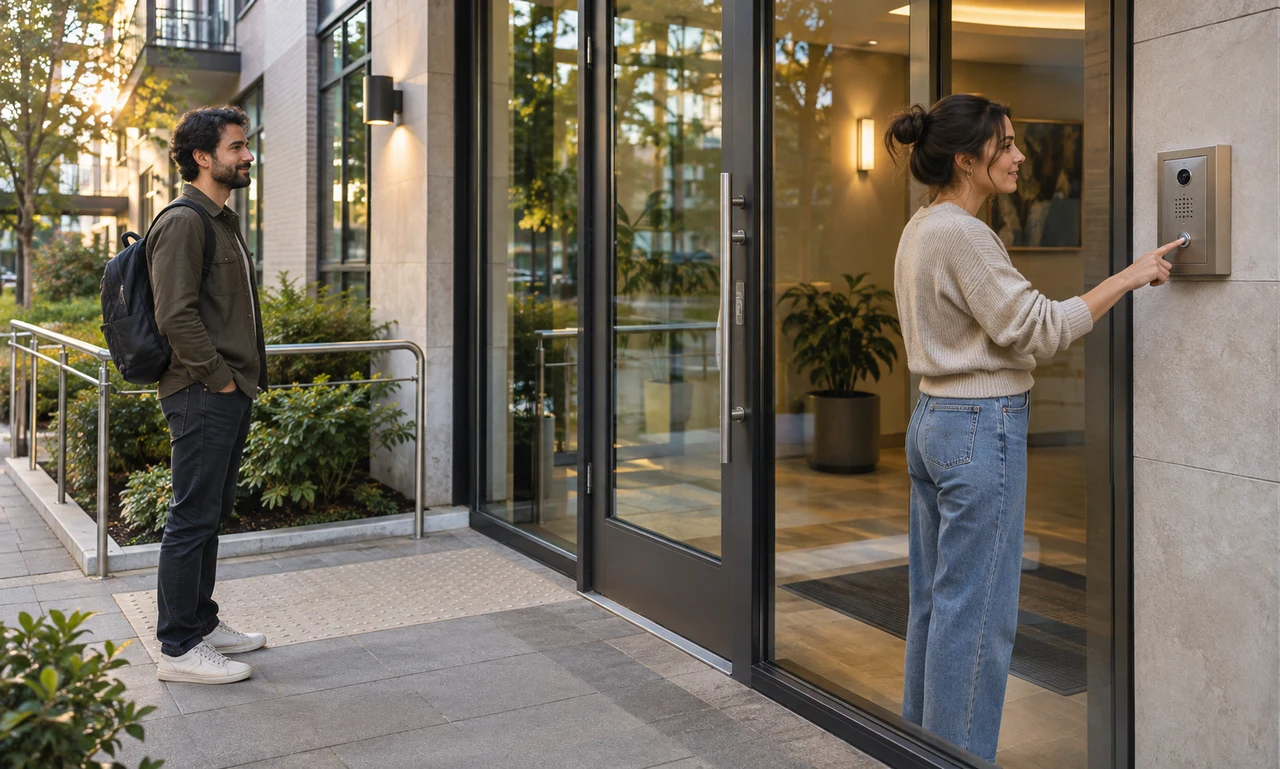
A clear entry system helps a visitor announce their arrival without turning security into confusion at the front door.
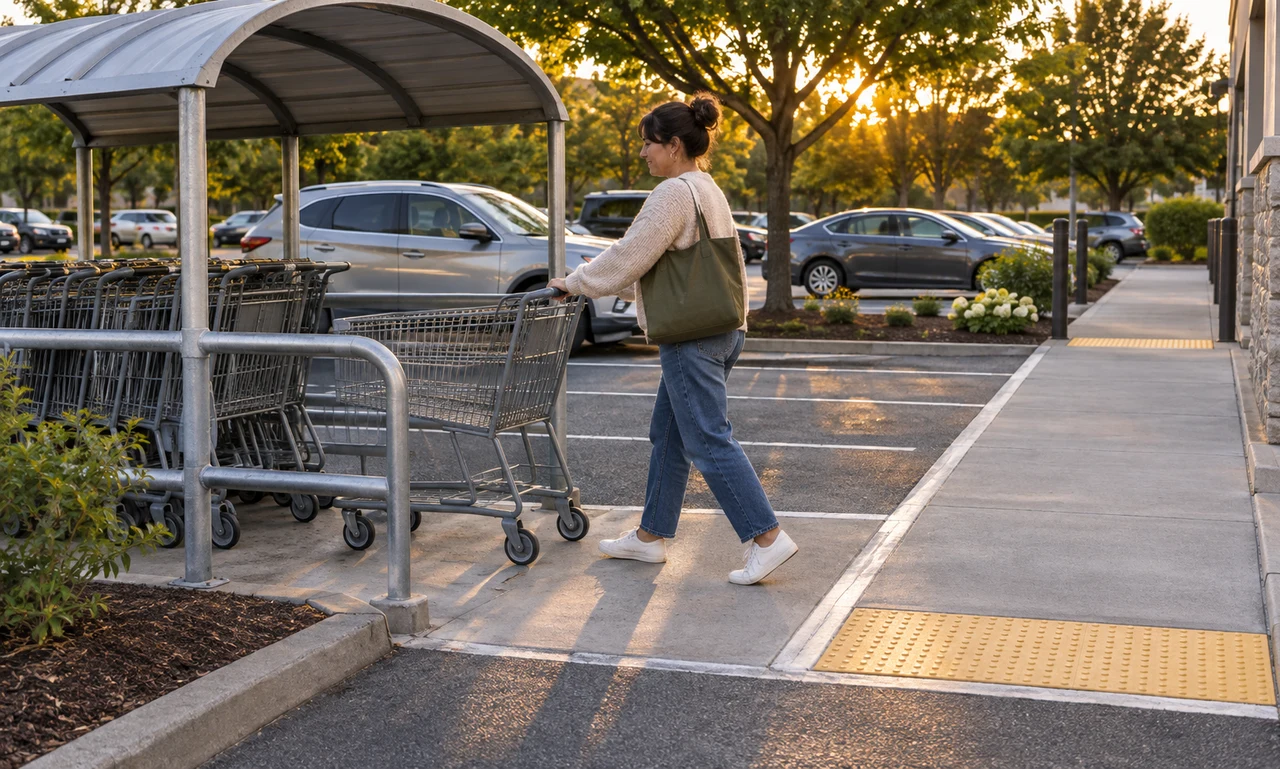
A short walk to the cart corral keeps parking spaces, sidewalks and accessible routes clearer for everyone arriving next.
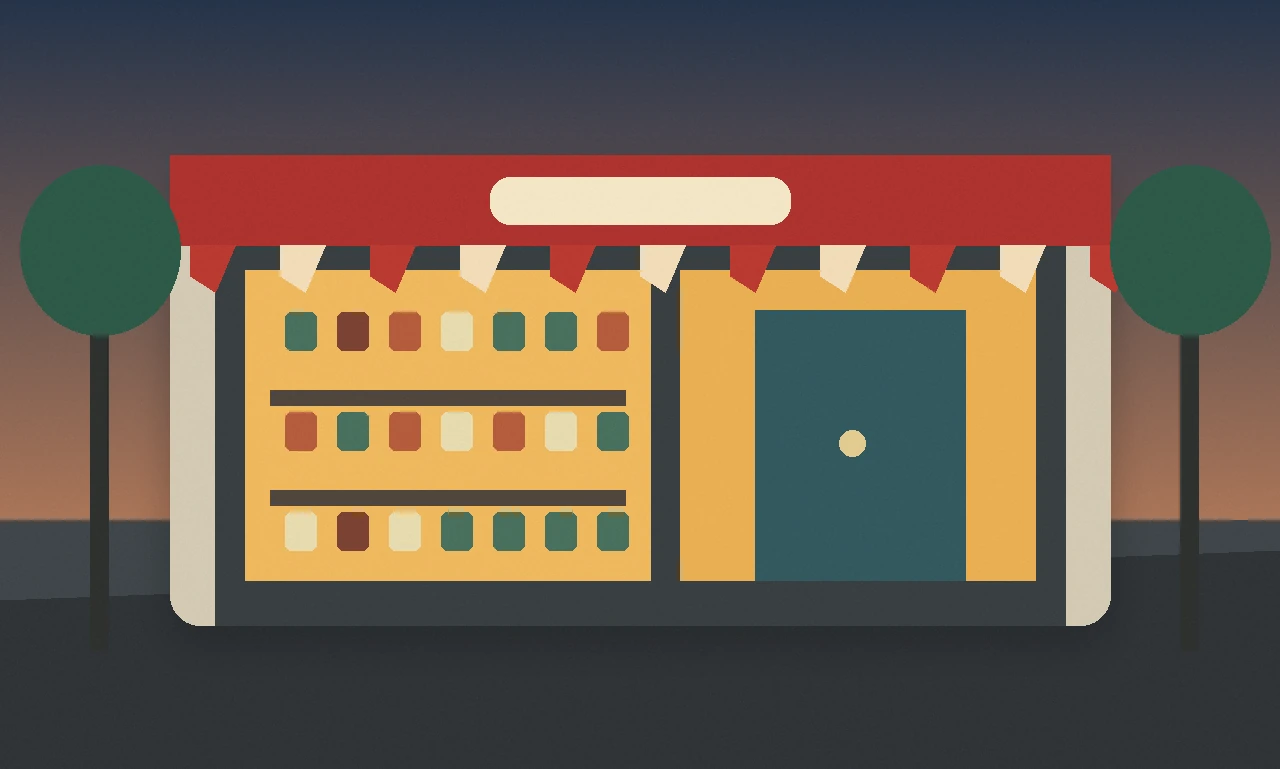
A small shop can reveal how a neighbourhood moves, pauses and changes—one ordinary purchase at a time.
Between wash cycles, an ordinary service becomes a place where different routines briefly share the same room.
A short trip between floors reveals how strangers negotiate distance, timing and courtesy in a compact space.
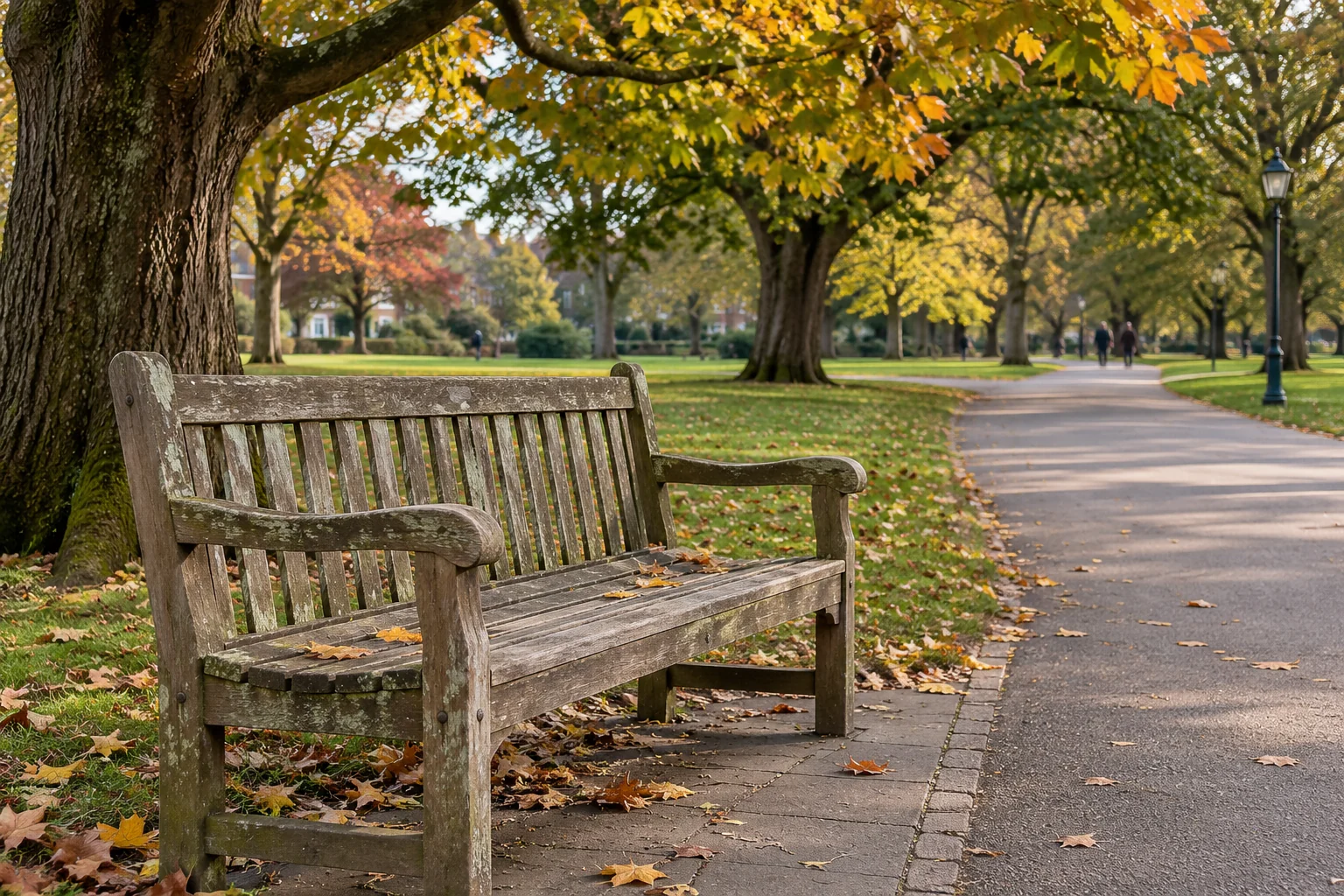
The same benches and paving can support very different rhythms in the morning, afternoon and evening.
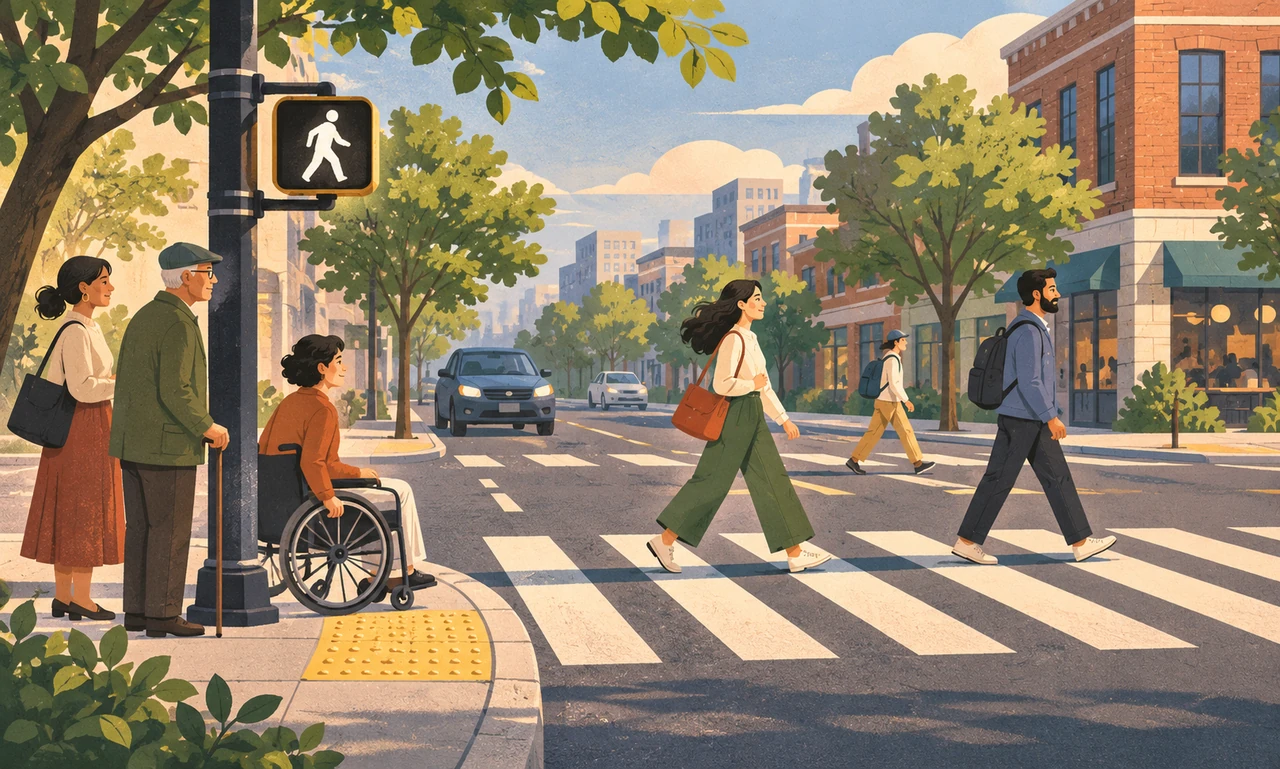
A few painted lines, a changing light and a curb edge coordinate strangers who may never speak to one another.
When the door is locked, a lit display, a handwritten hour and a reflection still shape how a street feels.
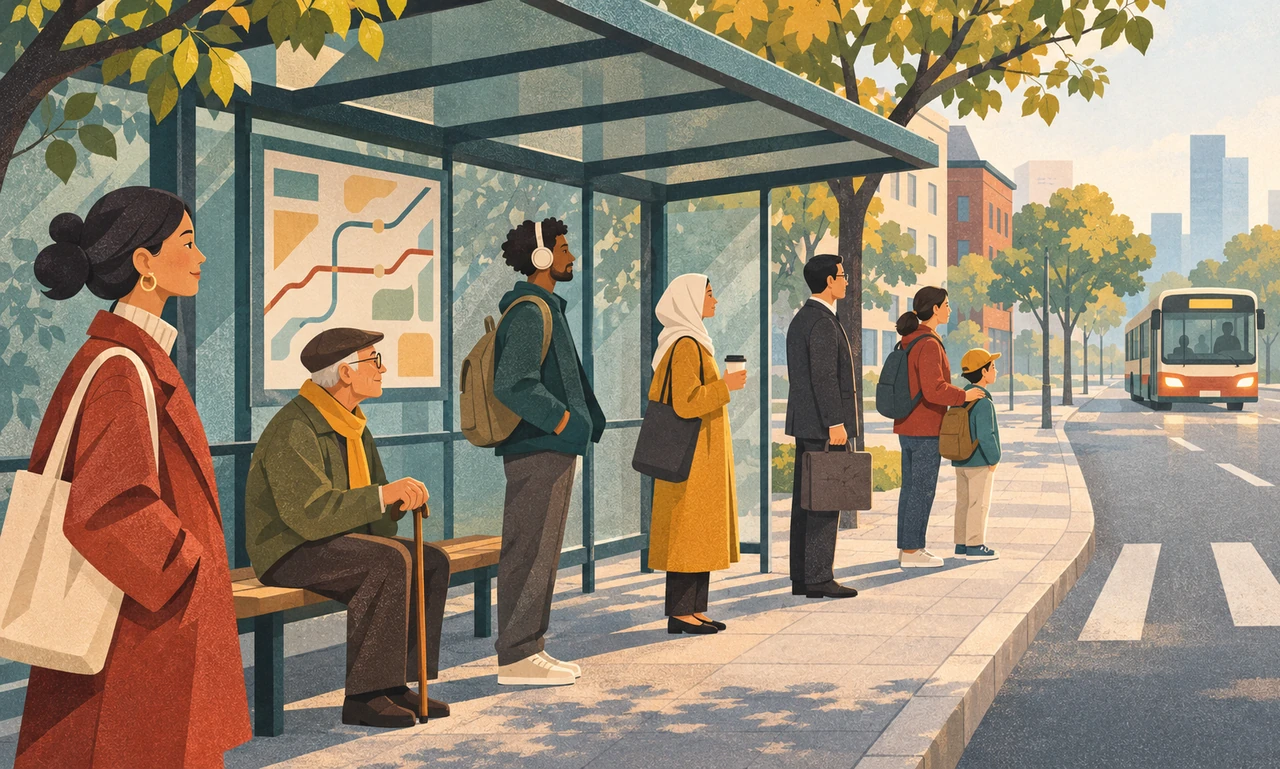
A shelter, a timetable and a few feet of pavement become a small exercise in taking turns together.
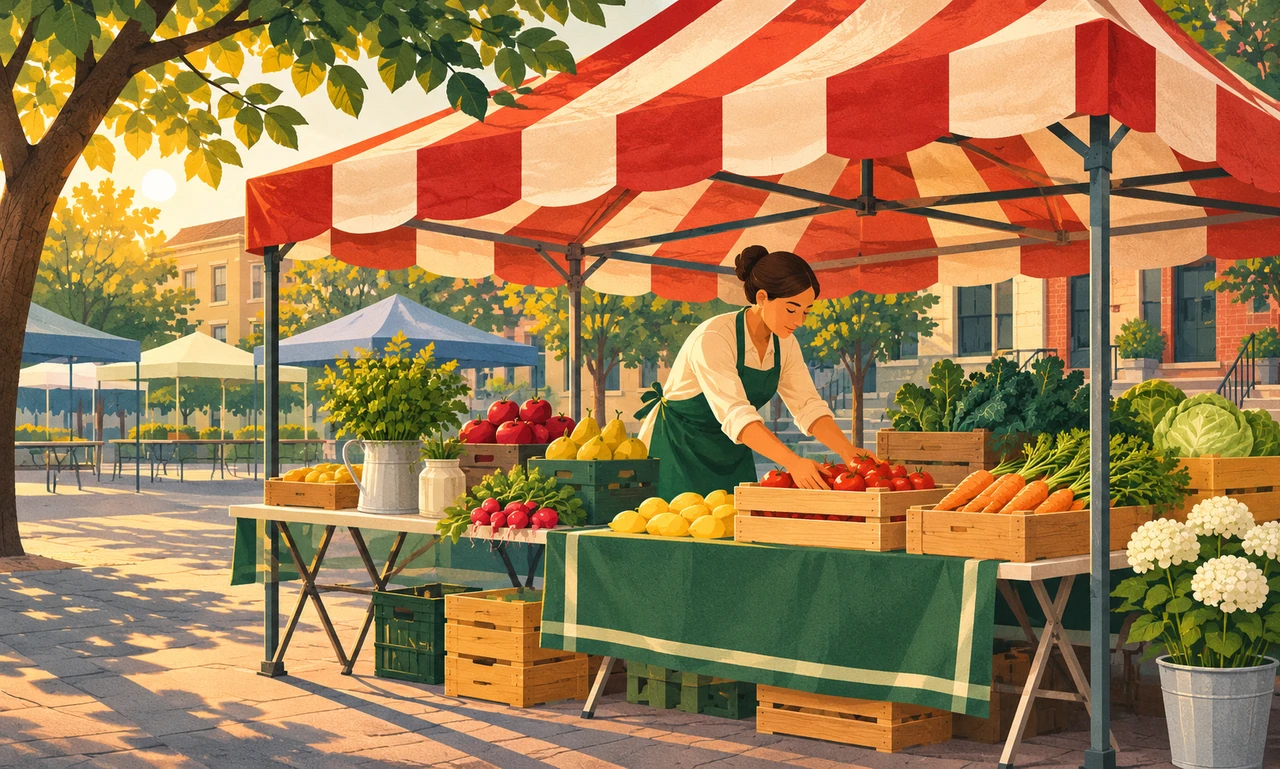
A canopy, folding tables and stacked crates can turn an empty square into a working street for a few hours.
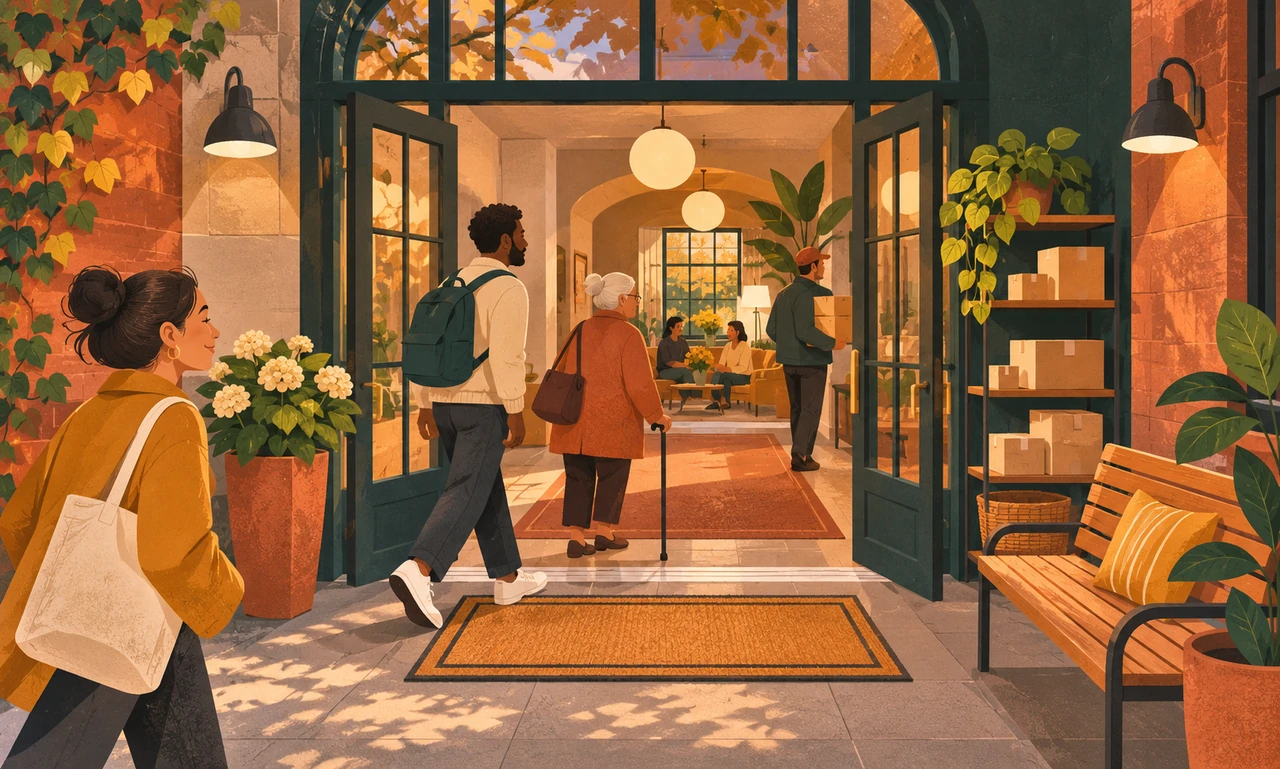
Before a hallway or lobby begins, the threshold already tells visitors where to pause, enter and make room.
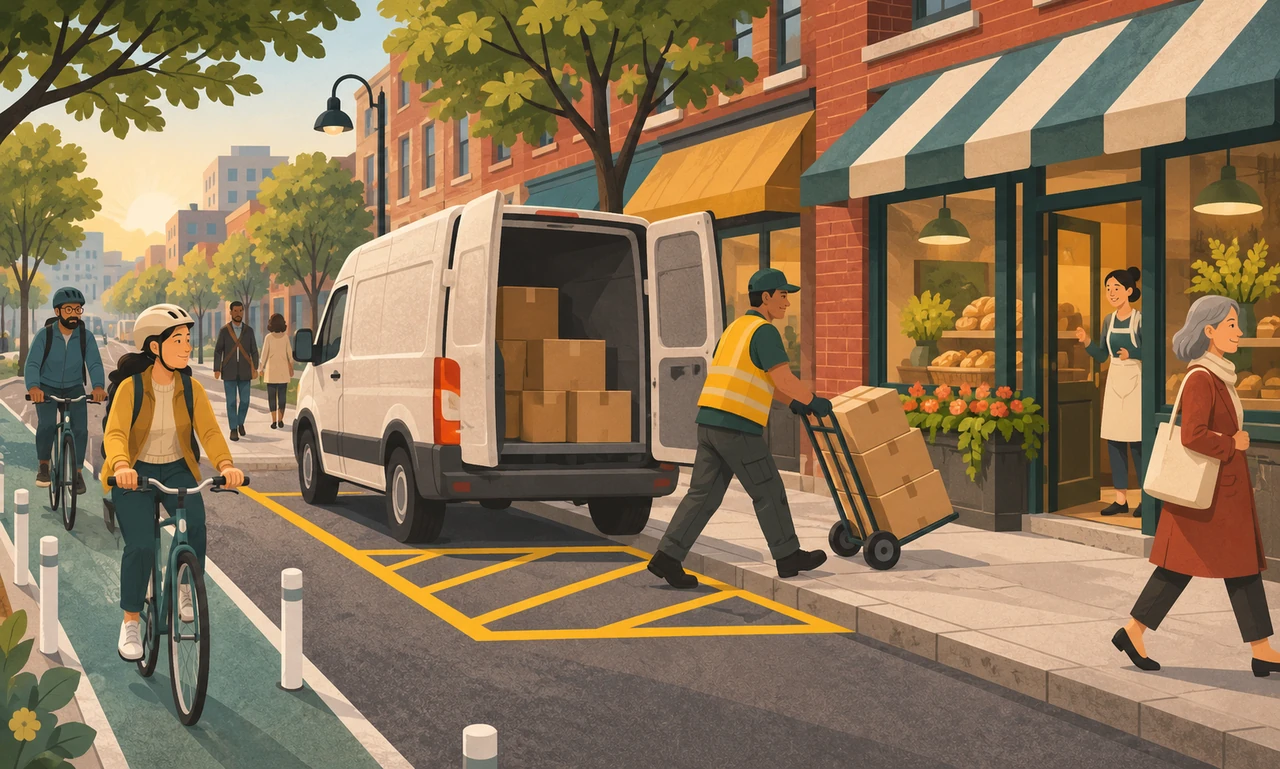
For a few minutes at a time, one strip of curb becomes a workplace connecting shops, homes and the street.
We often describe streets by how they move people. What changes when we look at where people can pause?
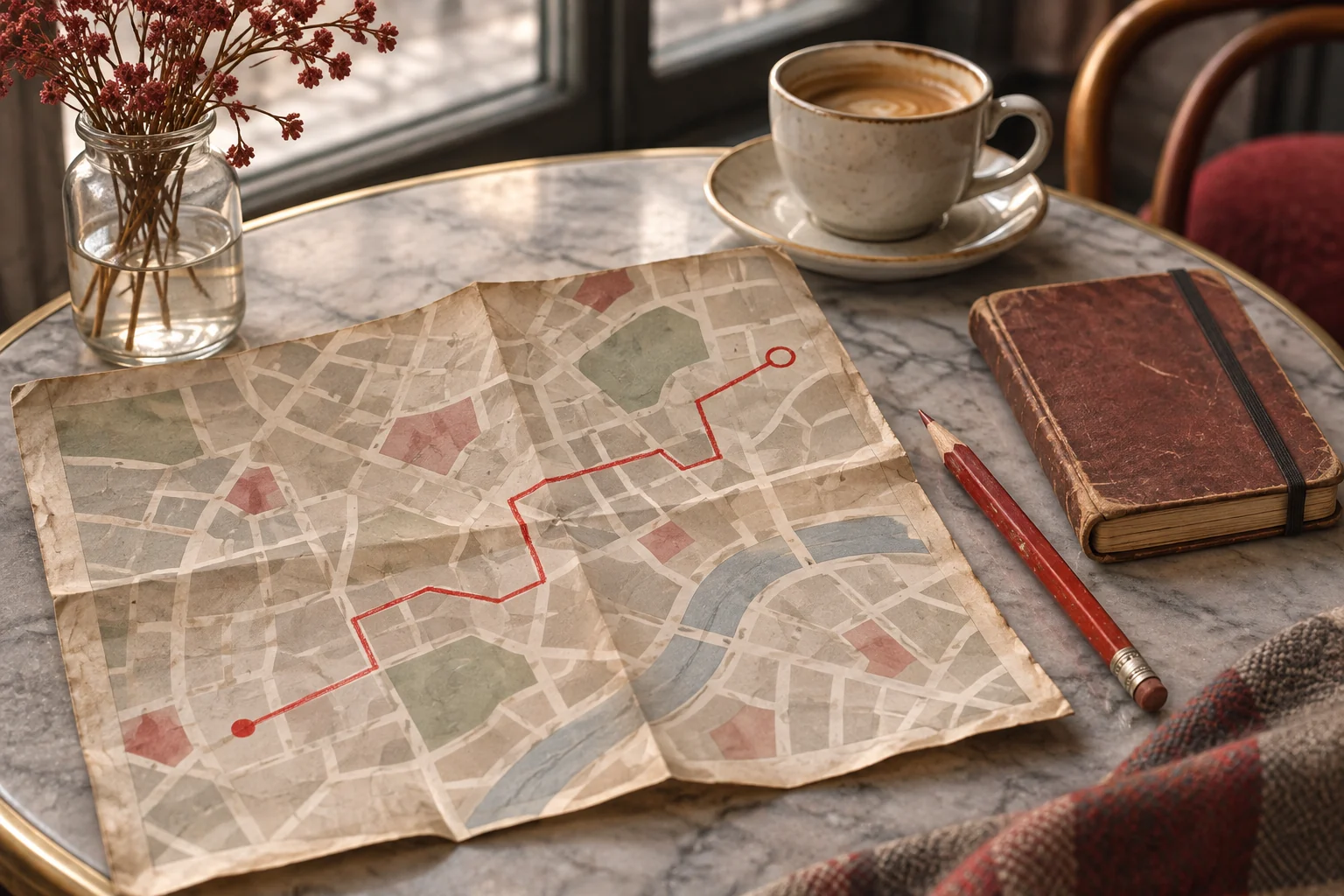
The shortest line between two places is only one way to understand a journey.
A small change in attention can turn an ordinary route into a richer picture of where you live.
Original perspectives. Practical guides. A more considered everyday.